

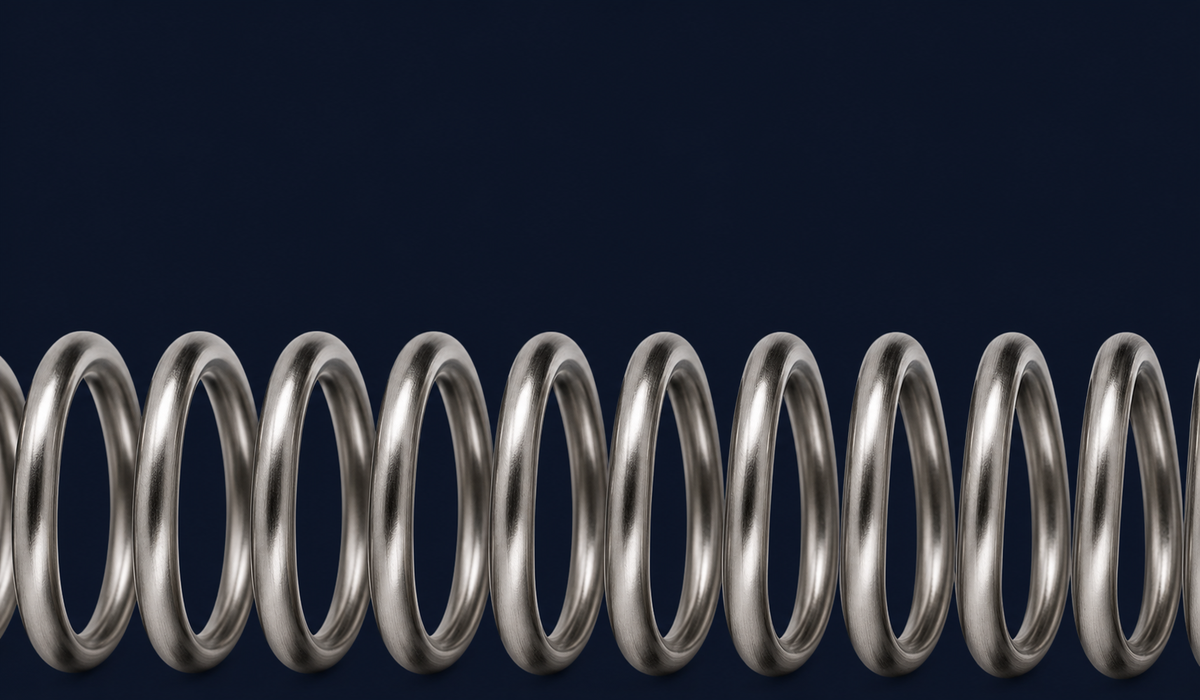
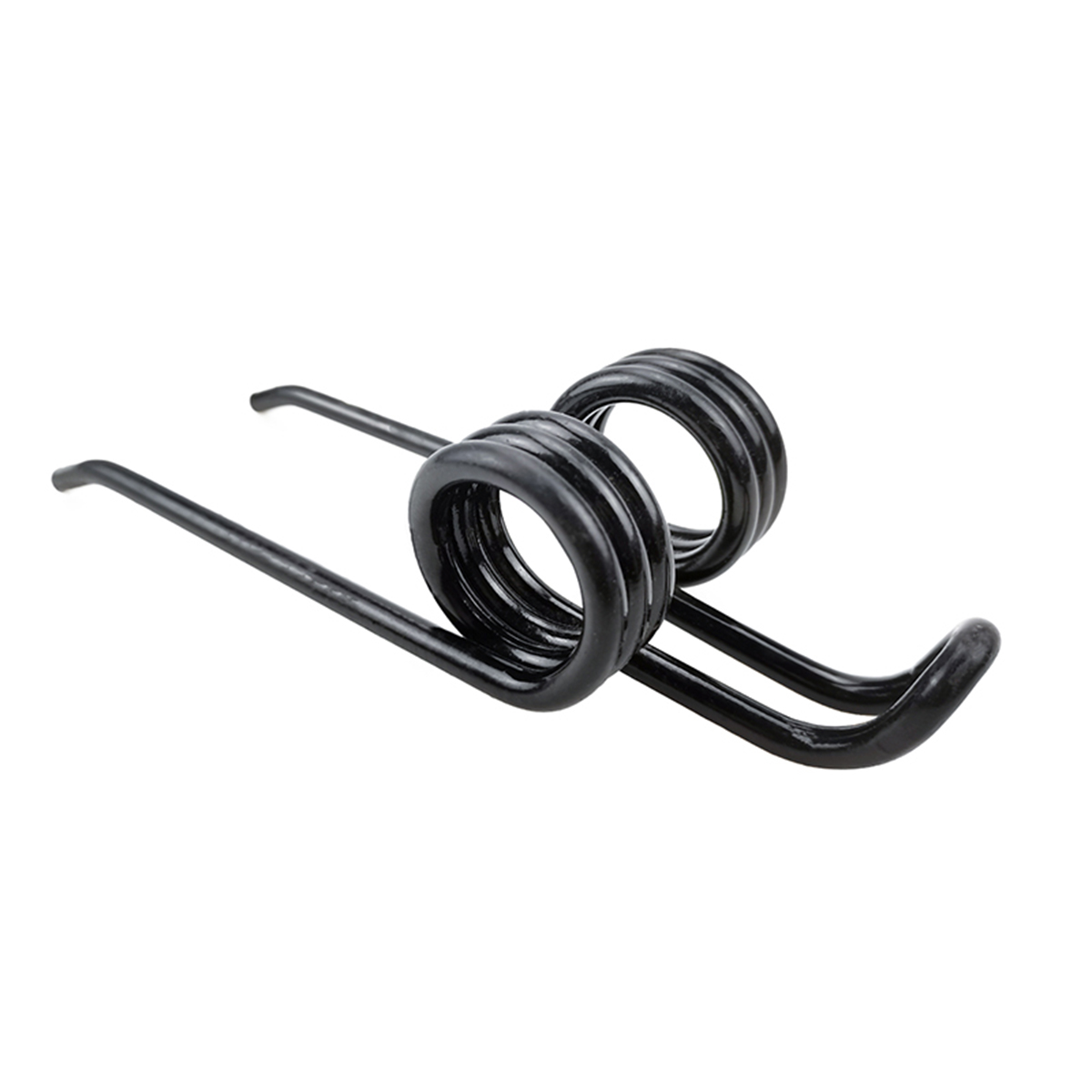
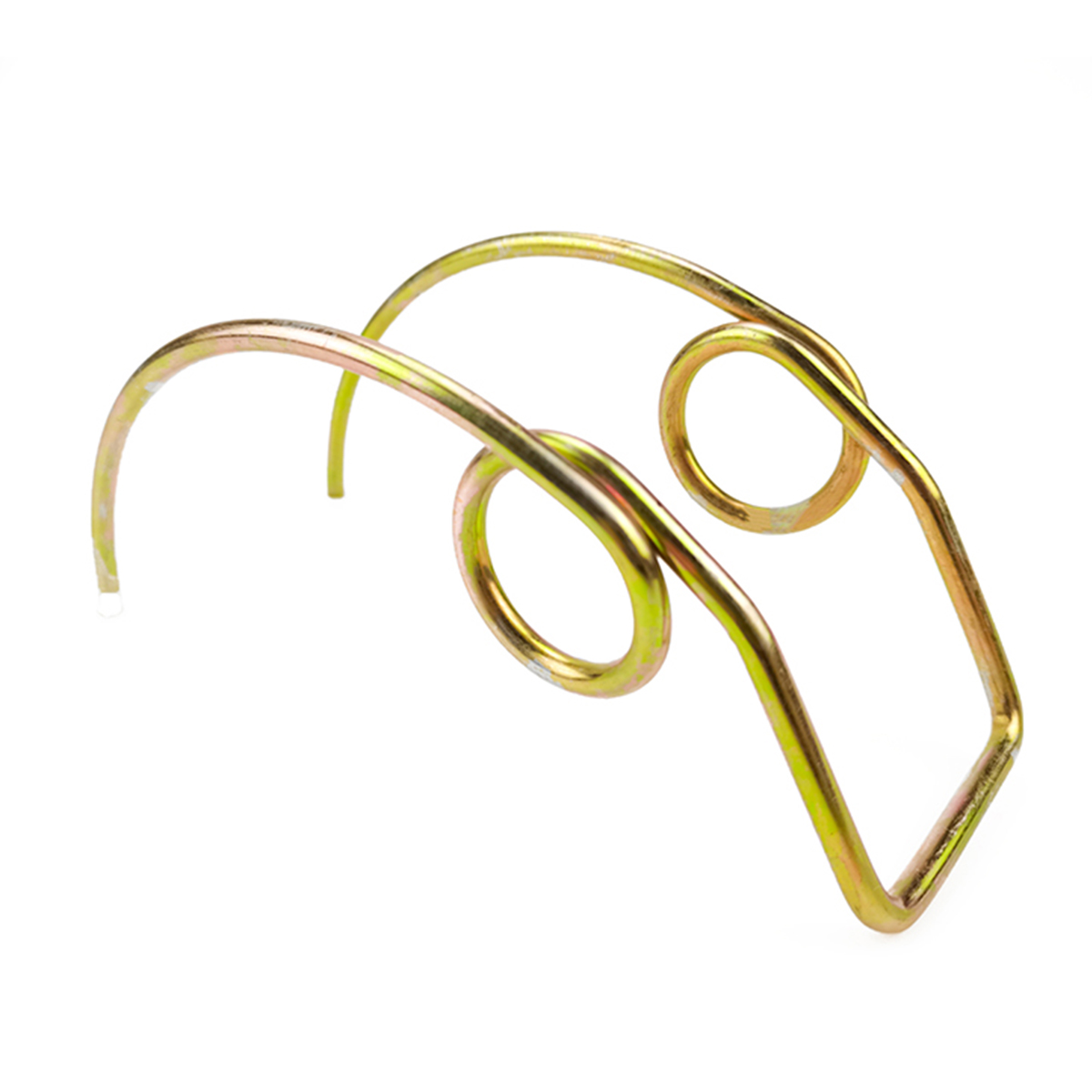
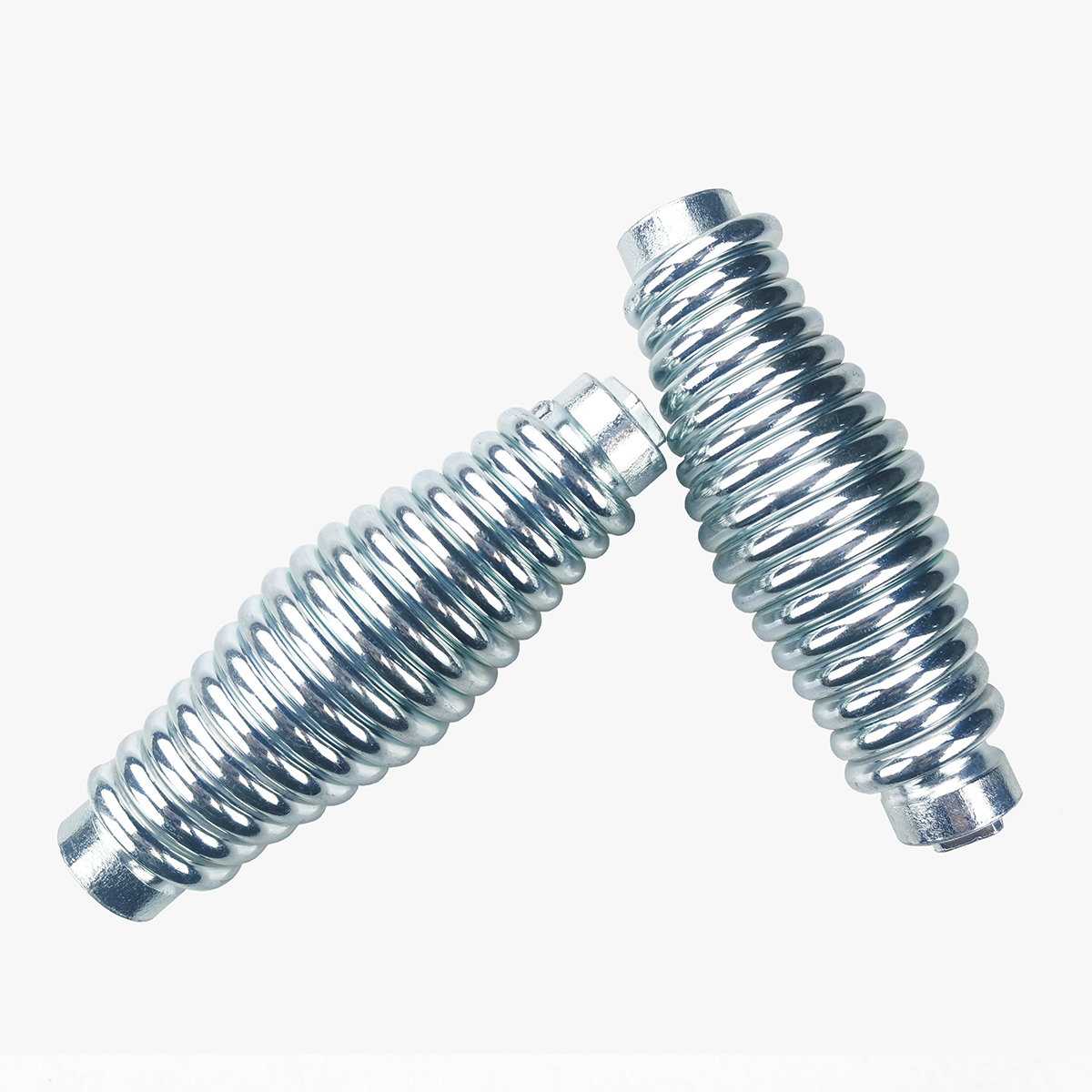
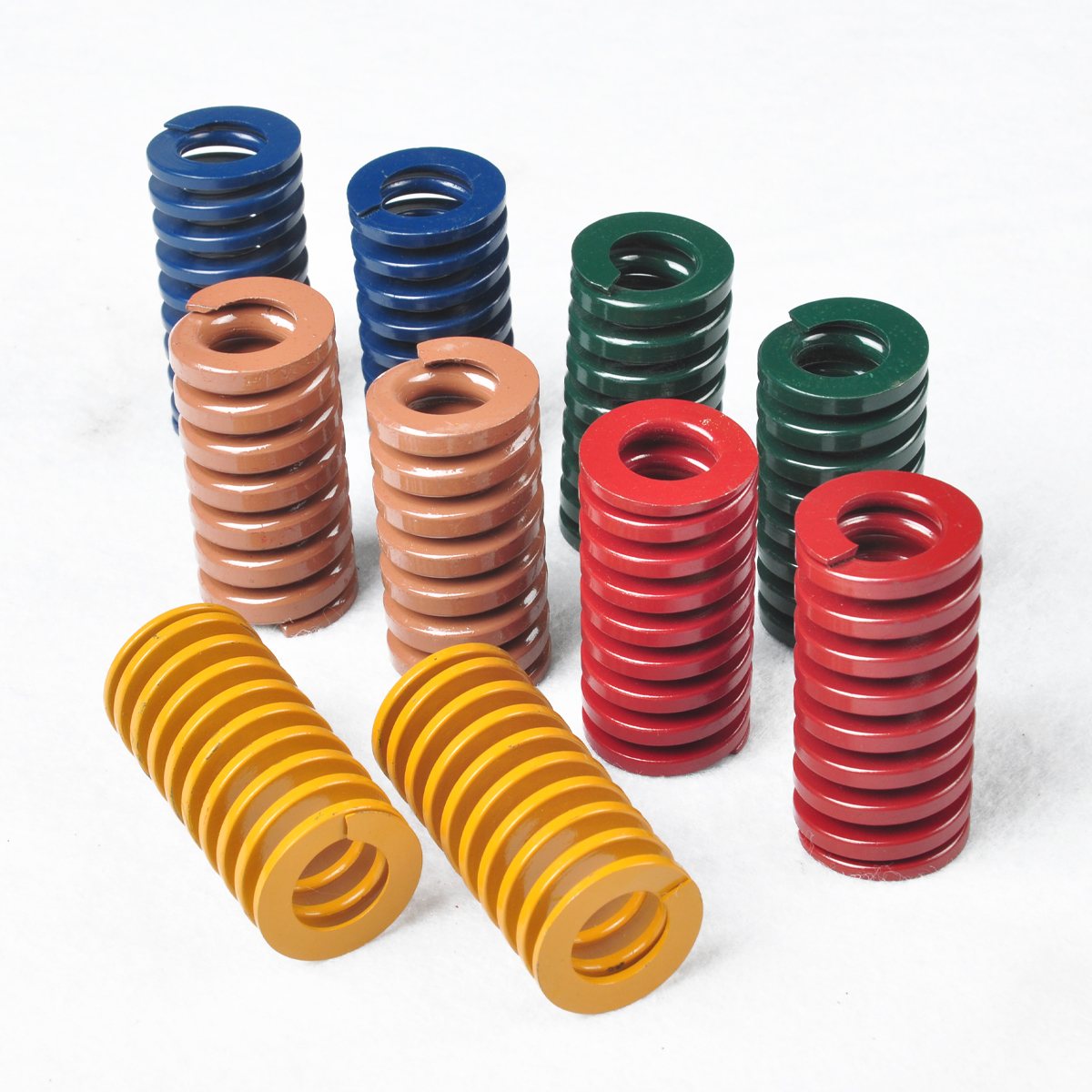
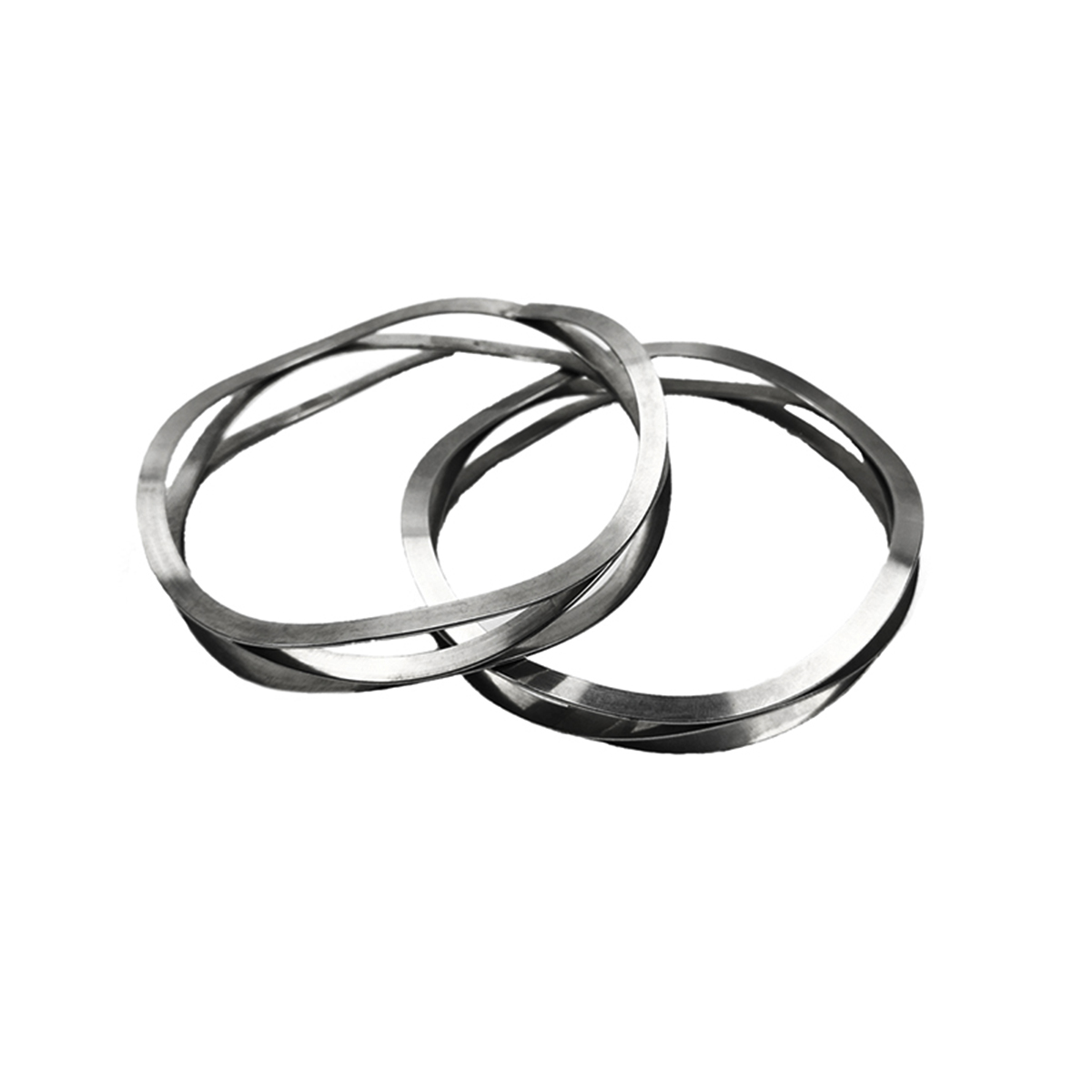
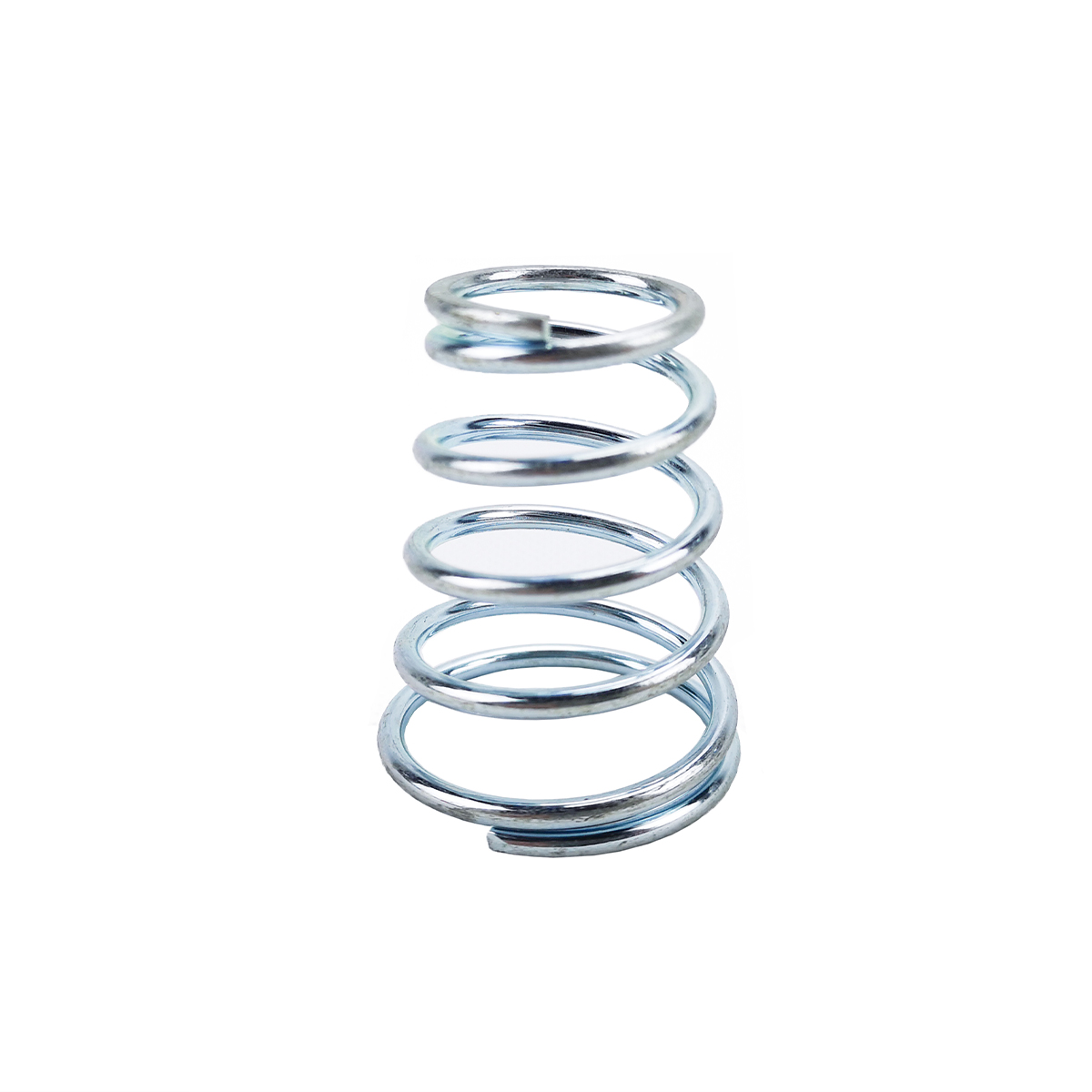
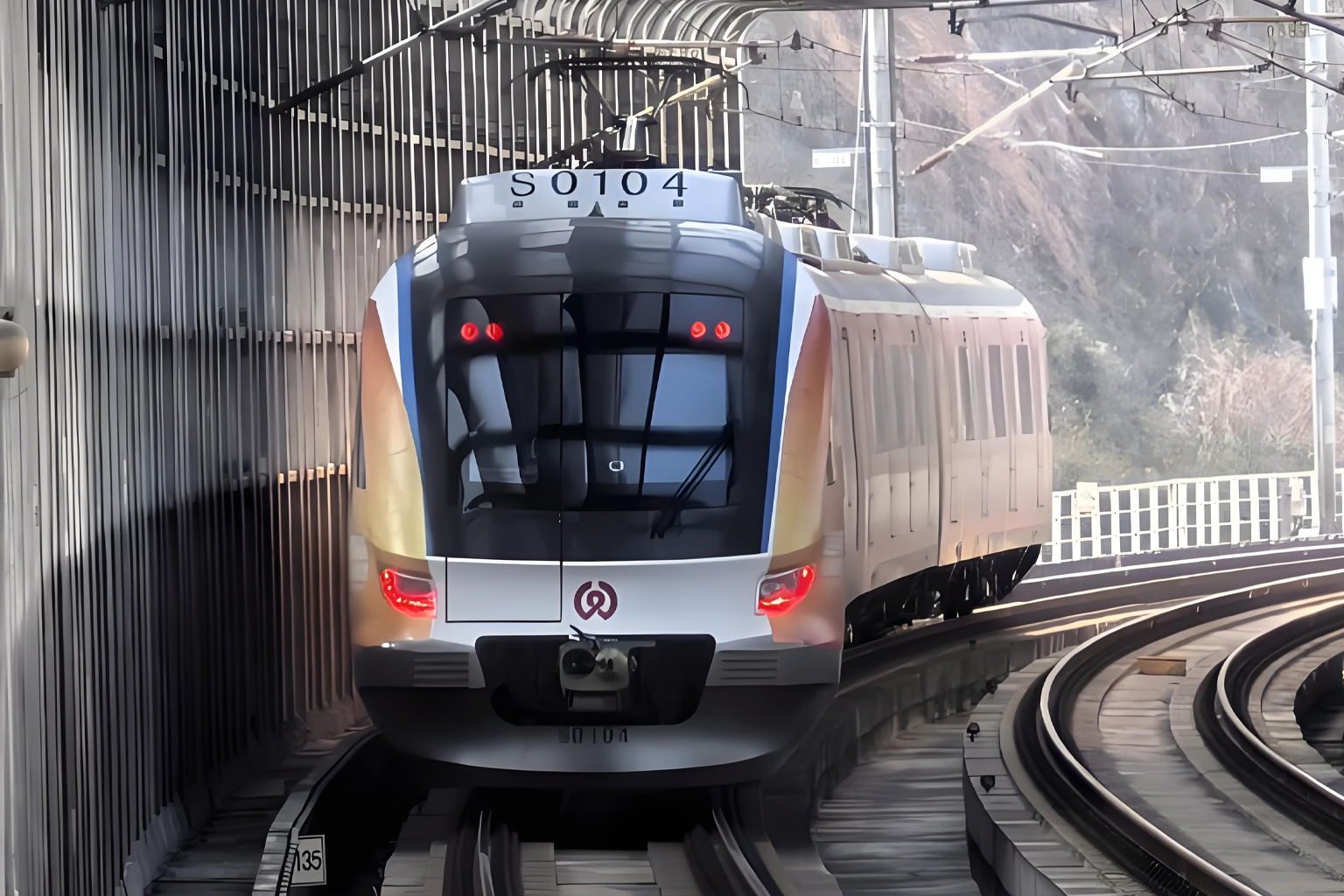
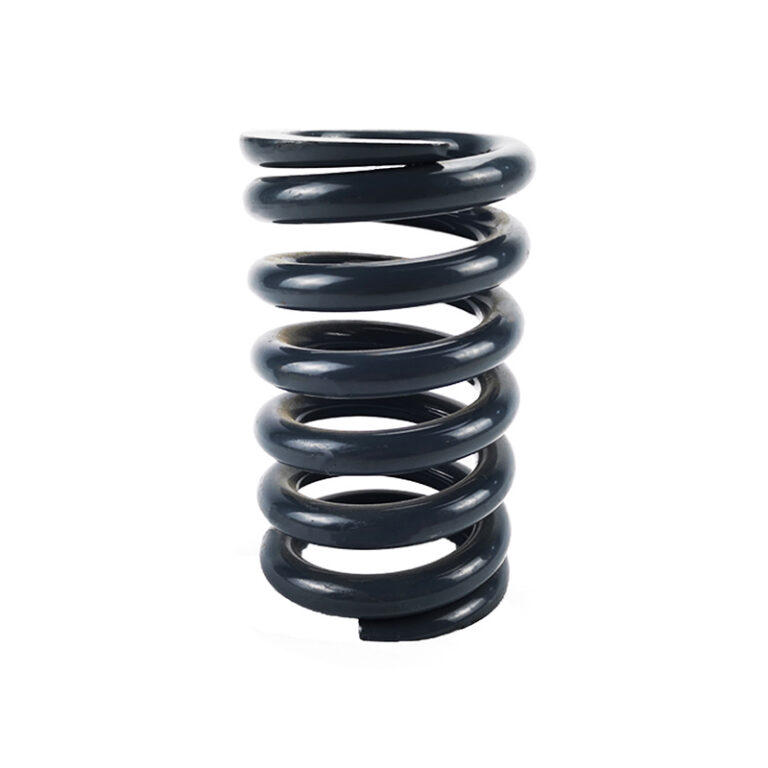
Rail vehicles use springs in door and access mechanisms, couplers and buffers, brake mechanisms and parts near the bogie, where constant vibration and high duty cycles shape the design. We make compression, disc and extension springs to drawing or sample. This page describes what we can make, not past rail projects. Any railway standard on your drawing is reviewed case by case before we quote.
Key Takeaways
- Wire from 0.1 mm to 80 mm, including hot-coiled large and heavy-duty springs.
- Under vibration, check natural frequency, stress margin, end guidance and finish.
- Records as agreed: inspection reports, material certificates, dimensional records and traceability.
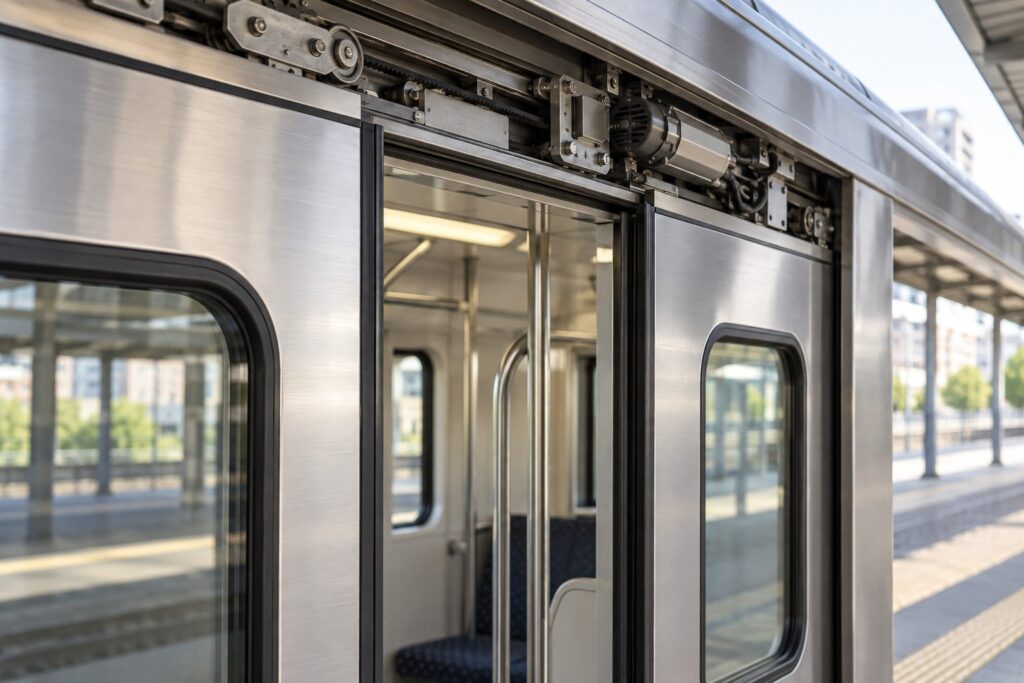
Which springs rail vehicles use and why
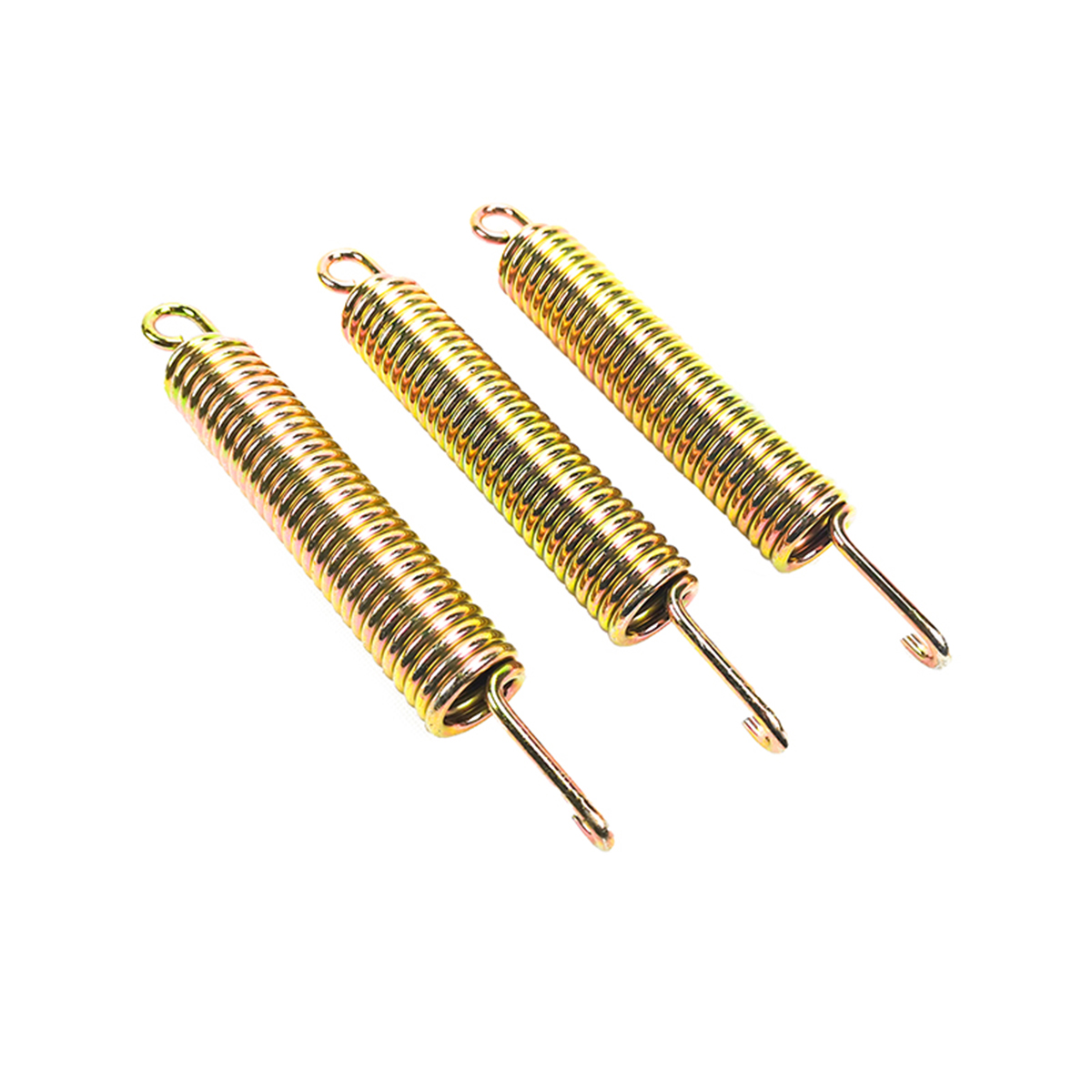
Door and access mechanisms use extension springs and compression springs to return doors, steps and flaps many times a day. Extension spring hooks are a common fatigue point, so a compression spring, which keeps some function if it breaks, is often preferred where failure would stop a door.
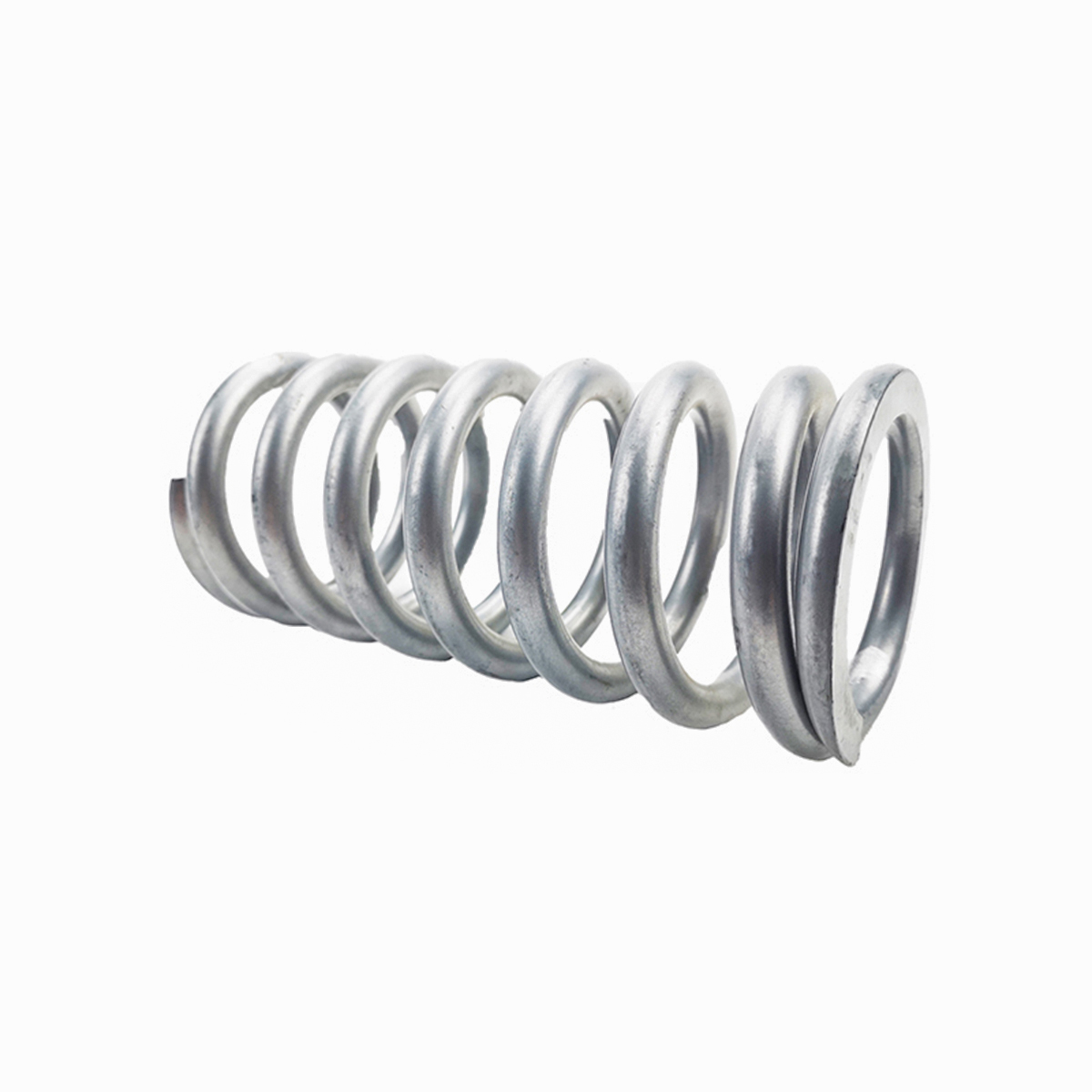
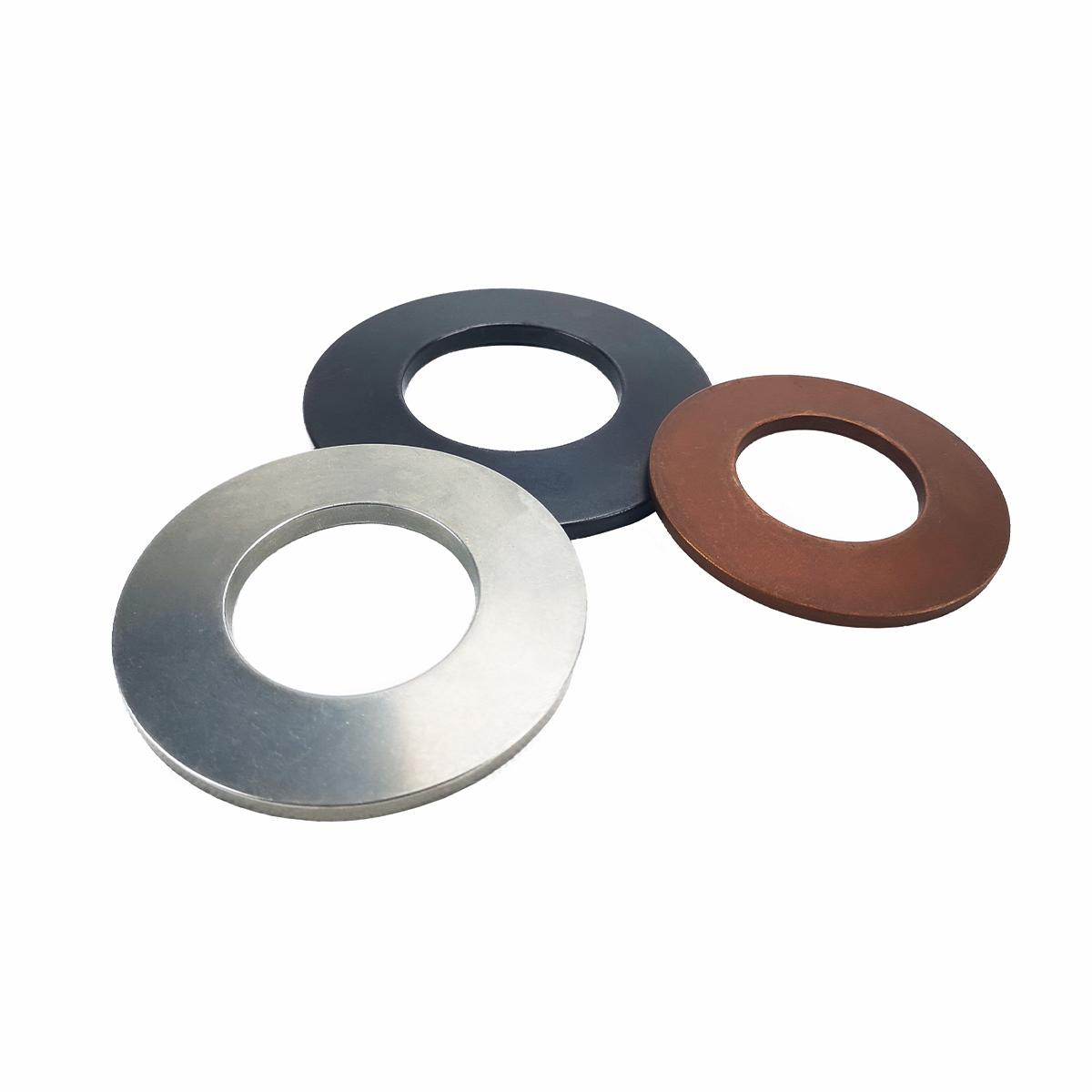
Couplers and buffers can use heavy compression springs or disc spring stacks alongside rubber, ring-spring or hydraulic elements; disc stacks give high force in a short length.
Parking brakes and many tram and metro brake units are spring-applied: pressure releases the brake, so it holds if pressure is lost. Force at installed length is the key specification.
Springs near the bogie and suspension, in linkages, sensor brackets and auxiliary functions, see continuous vibration. Main suspension springs are normally built to the vehicle builder’s specification.
Road-vehicle suspension and brake springs are covered on our automotive page.
What to check under vibration
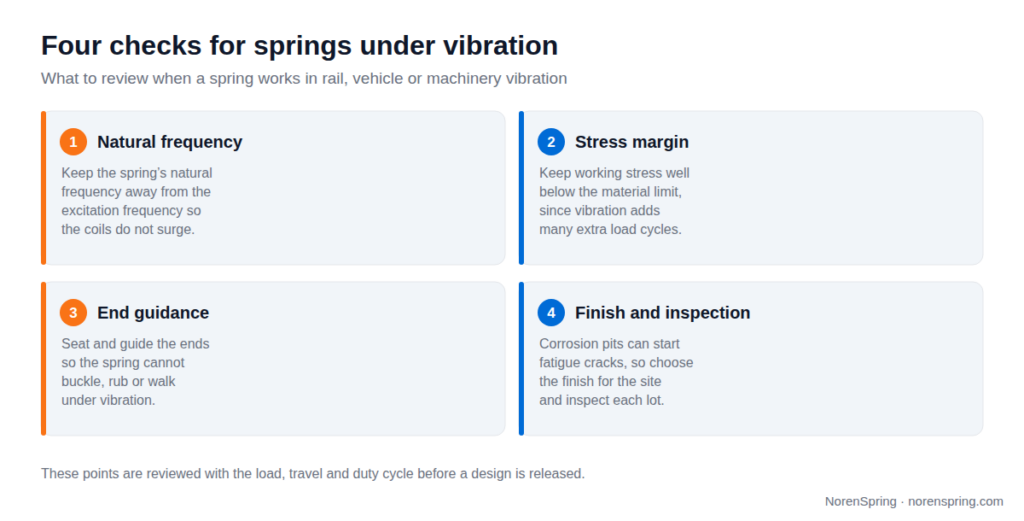
- Natural frequency: keep the spring’s own frequency well away from excitation frequencies, or coil surge raises stress far above the static value.
- Stress margin: vibration adds a cyclic load on top of the static one, so working stress needs margin.
- End guidance: ground ends and proper seats keep the spring square; a guide rod or sleeve prevents buckling but needs enough clearance to avoid rubbing.
- Finish: where coils or guides rub, coatings wear through and corrosion starts.
Choosing material and finish for outdoor rail service
| Material | Where it fits | Consider |
|---|---|---|
| Oil-tempered wire | Medium to large cold-coiled compression springs | Needs a coating for outdoor service |
| Silicon-chrome spring steel | Highly stressed springs under vibration | Needs a coating; keep stress margin |
| Alloy spring steel | Hot-coiled large springs; disc spring stacks for buffers and brakes | Needs a coating; friction between discs affects stack behavior |
| Carbon spring wire, zinc or black coated | Door and access mechanisms in protected areas | Coating wears where parts rub |
| Stainless 304 / 316 | Exposed exterior parts at moderate load | Lower strength than spring steel at the same size |
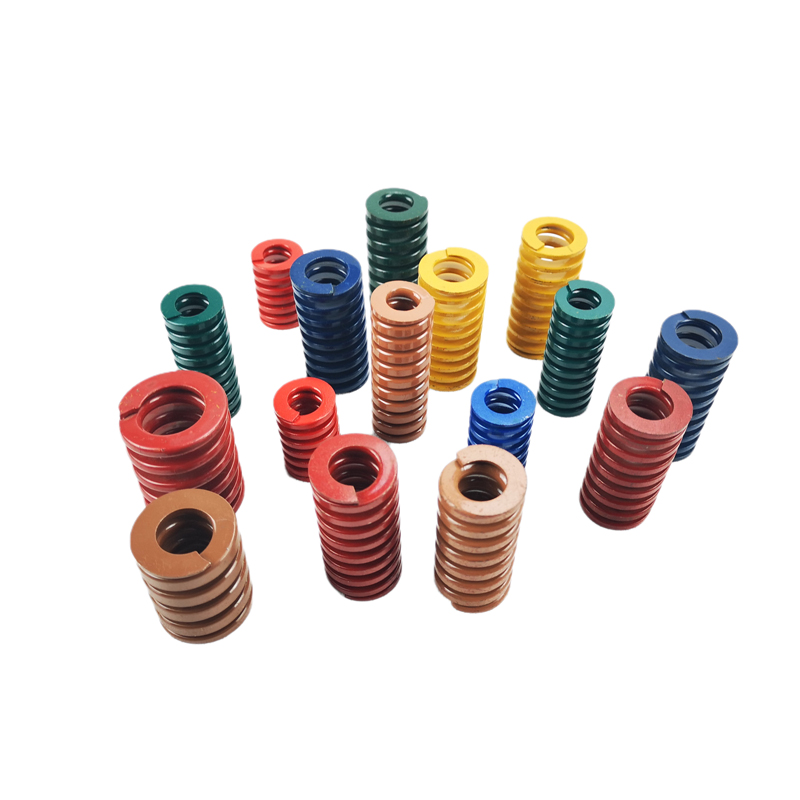
Finishes on parts in our case portfolios include zinc, black, red and blue coatings and plain or oiled steel.
What to send for an engineering review
- Geometry: drawing with revision, or a sample.
- Load and movement: force at installed and working lengths, and travel.
- Duty: cycles per day, known vibration frequencies and shock loads.
- Environment: outdoor exposure, temperature range, de-icing salt or cleaning chemicals.
- Specifications and records: every standard called out on the drawing and the documents you need with each shipment.
- Quantity: batch size and expected repeat orders.
For heavy springs in other machinery, see industrial equipment. Our process is described on the capabilities page.
Frequently asked questions
Do you hold railway certifications?
We do not hold railway-specific certifications. We hold IATF 16949, ISO 9001, ISO 13485, ISO 14001 and ISO 45001; any railway standard on your drawing is reviewed before quotation, and we decline if we cannot meet it.
How large a spring can you make?
Wire diameters go up to 80 mm, and large springs are hot-coiled. Feasibility for your design is confirmed at engineering review.
Can we get samples first?
Yes. Samples typically take 7 to 15 working days and production 15 to 30 working days; the exact lead time is confirmed at quotation.
Reviewing a heavy or high-cycle rail spring? Send the drawing and duty details for engineering feedback within 24 hours.




 Upload a Drawing