Upload a Drawing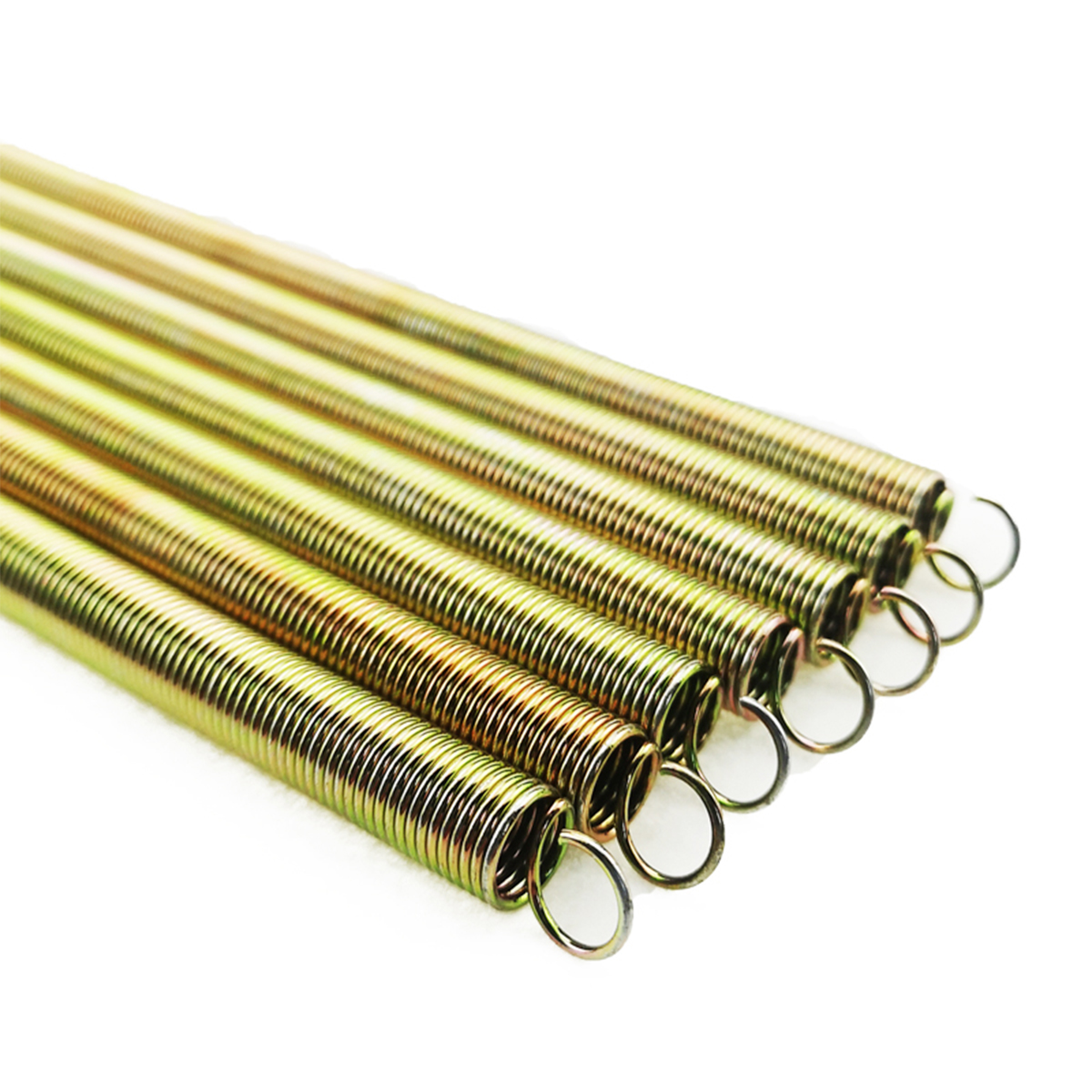
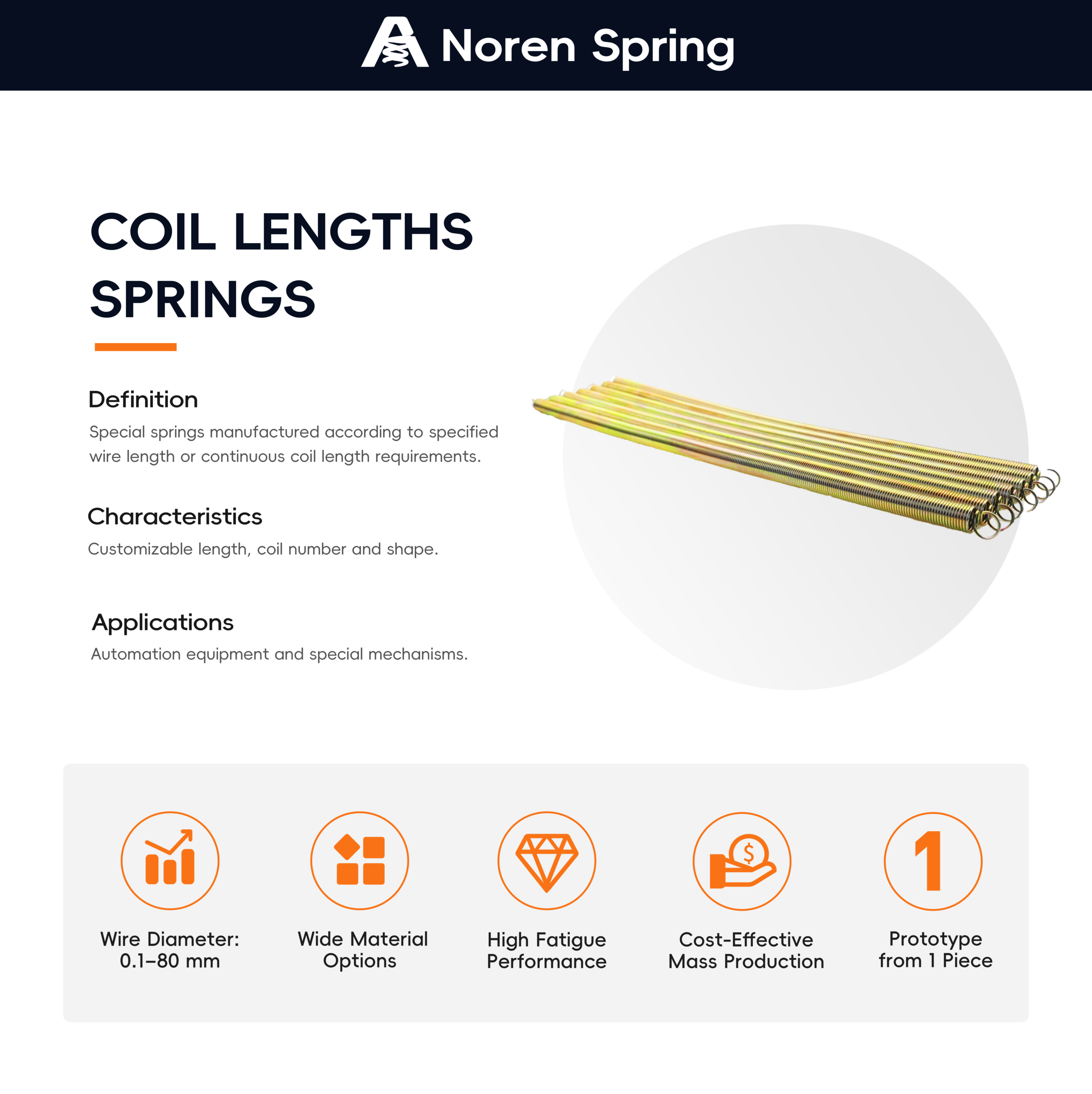
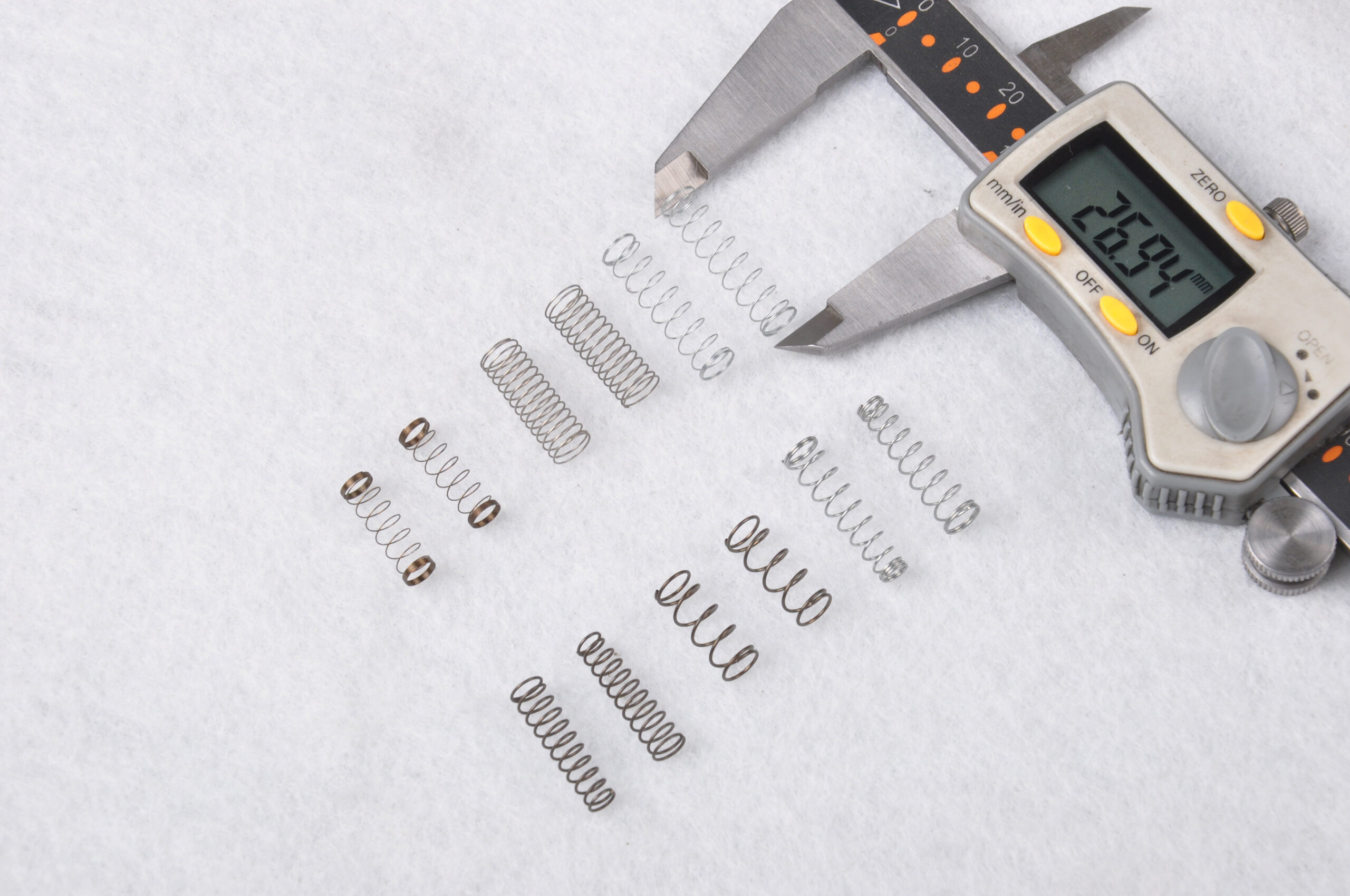
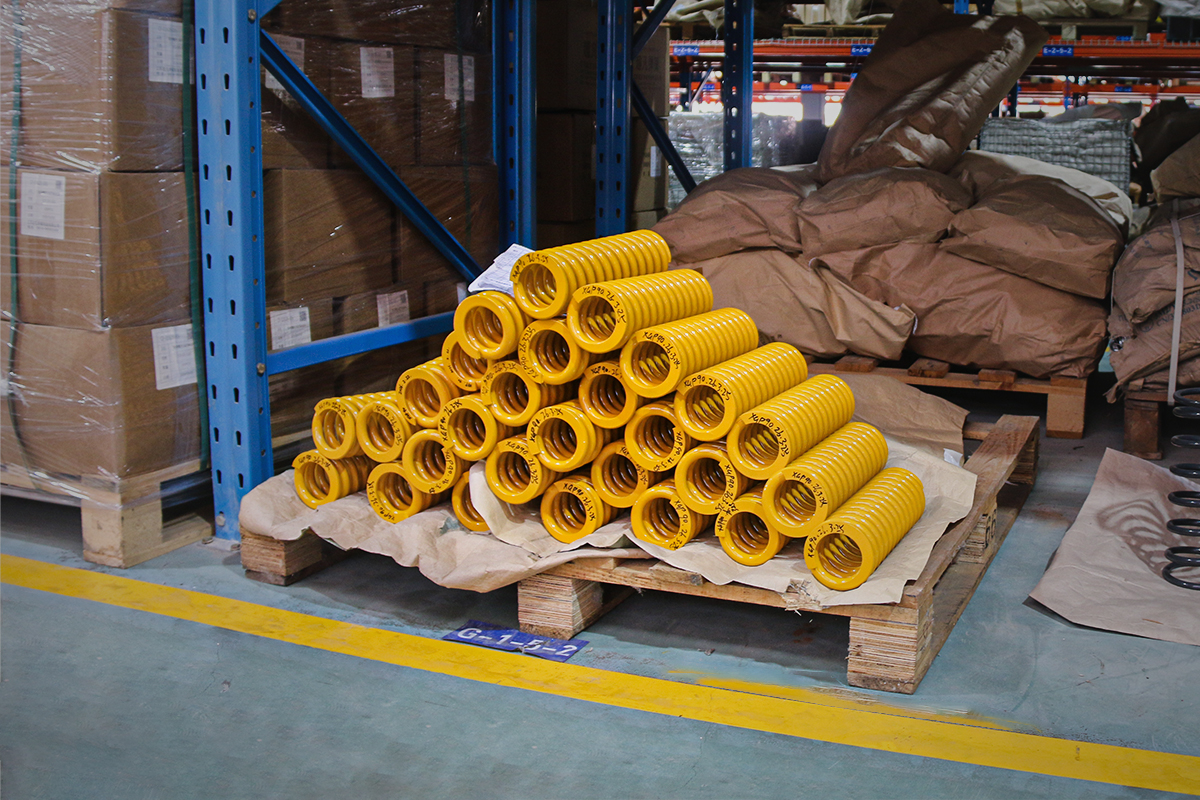
Coil length springs are helical springs manufactured to precise coil length and dimensional requirements. They are designed to provide consistent elastic force, controlled movement, and reliable performance in mechanical assemblies where accurate spring length and installation space are important.
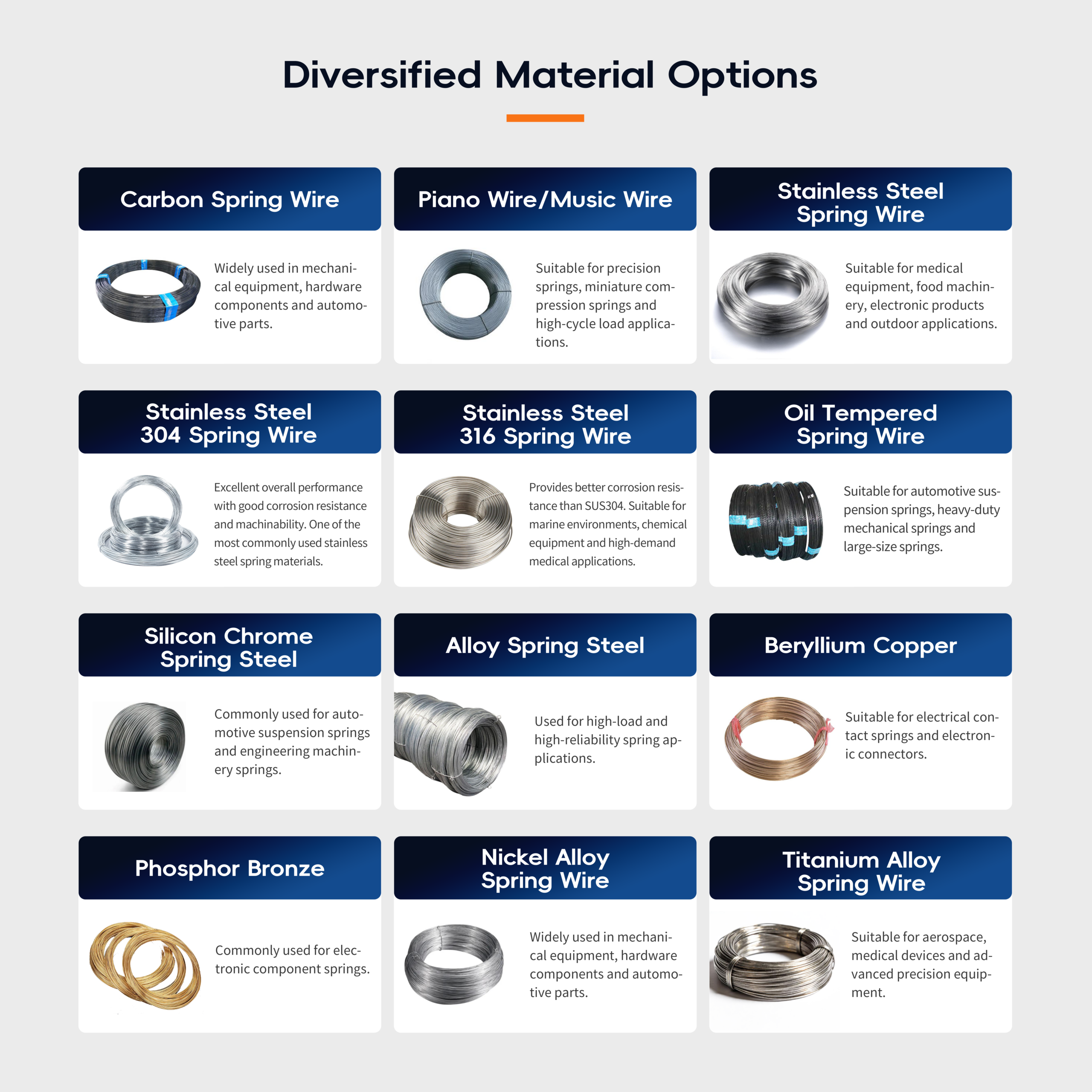
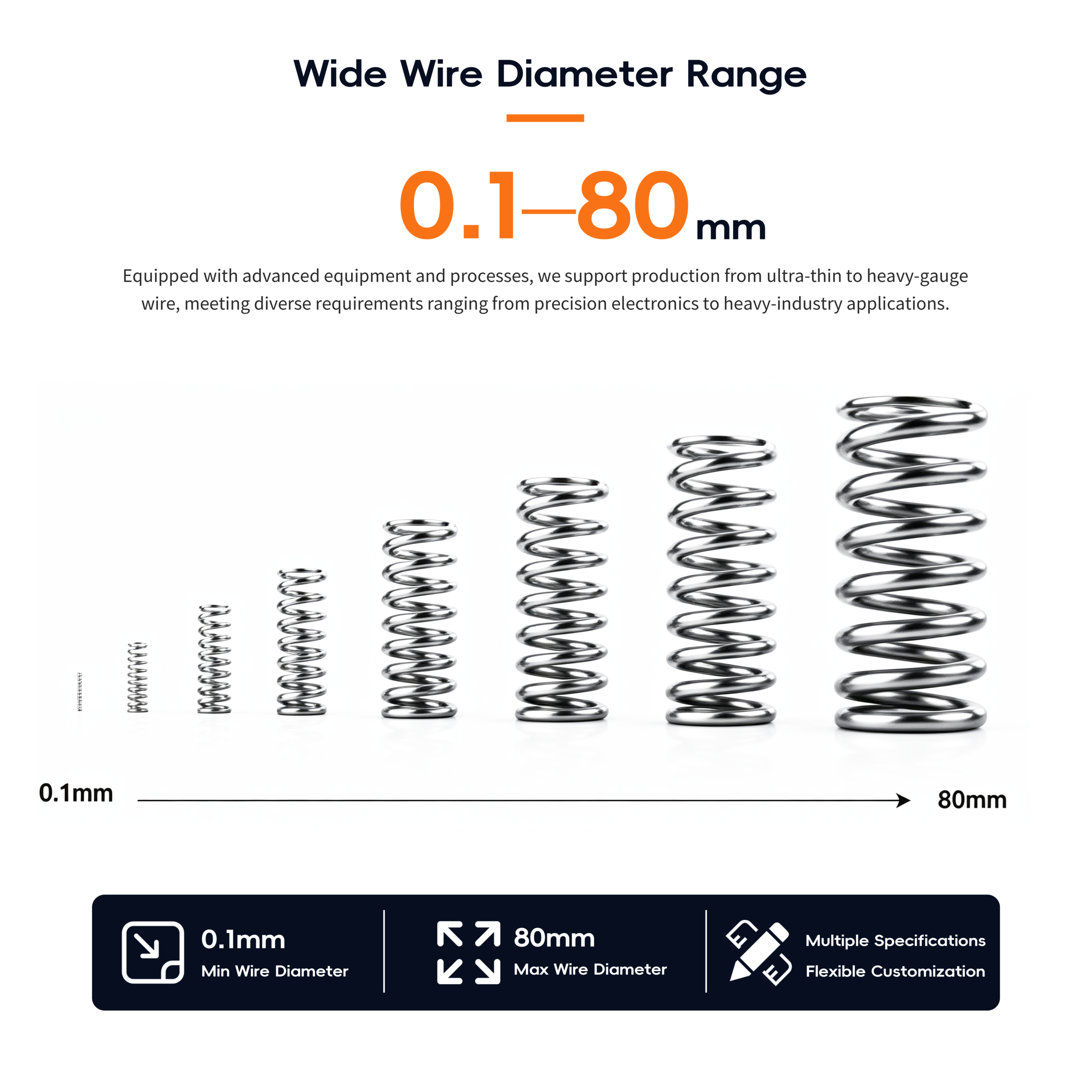
These springs can be customized with different wire diameters, coil diameters, free lengths, coil lengths, pitches, number of coils, end configurations, and material options. Production can be based on approved drawings, samples, or specific application requirements.
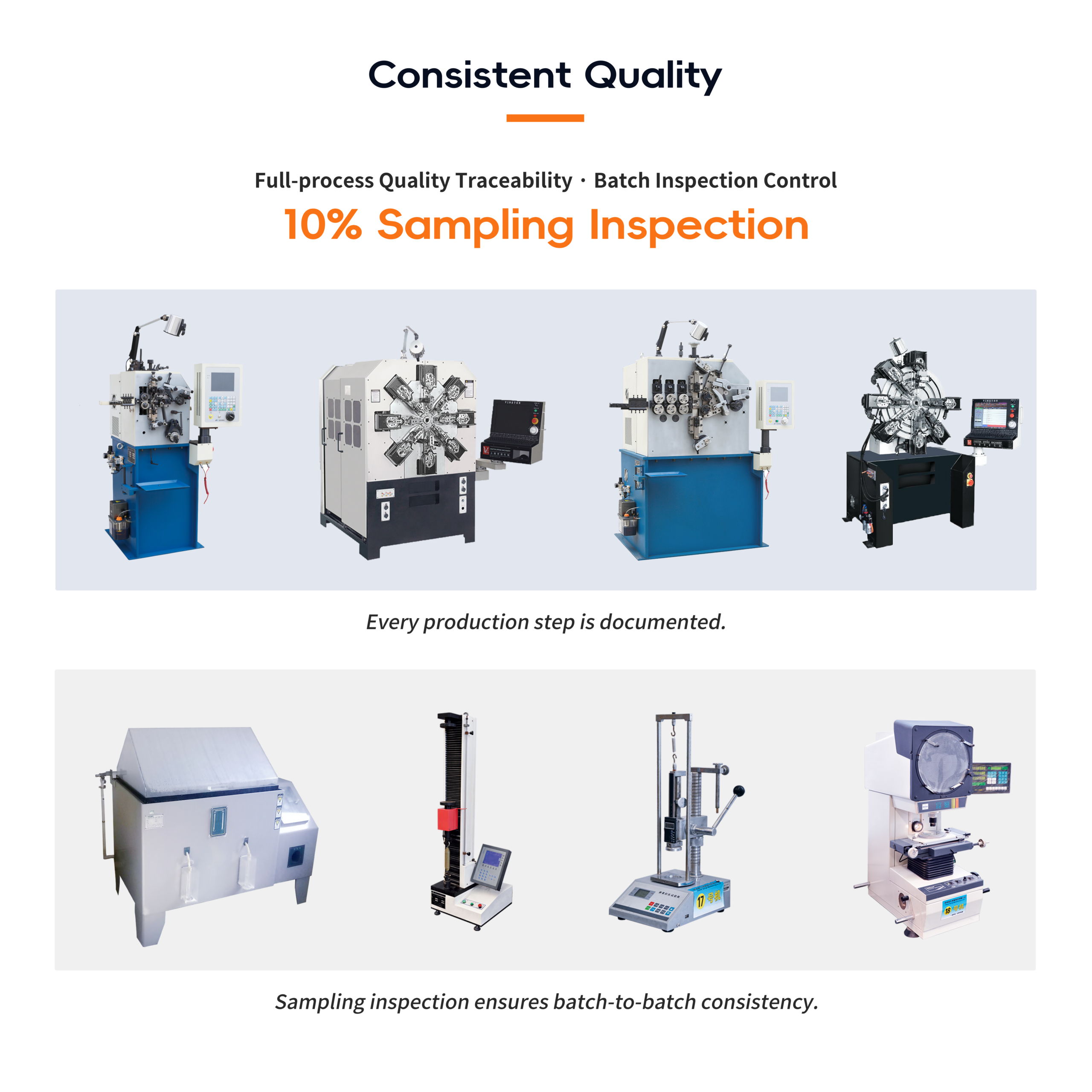
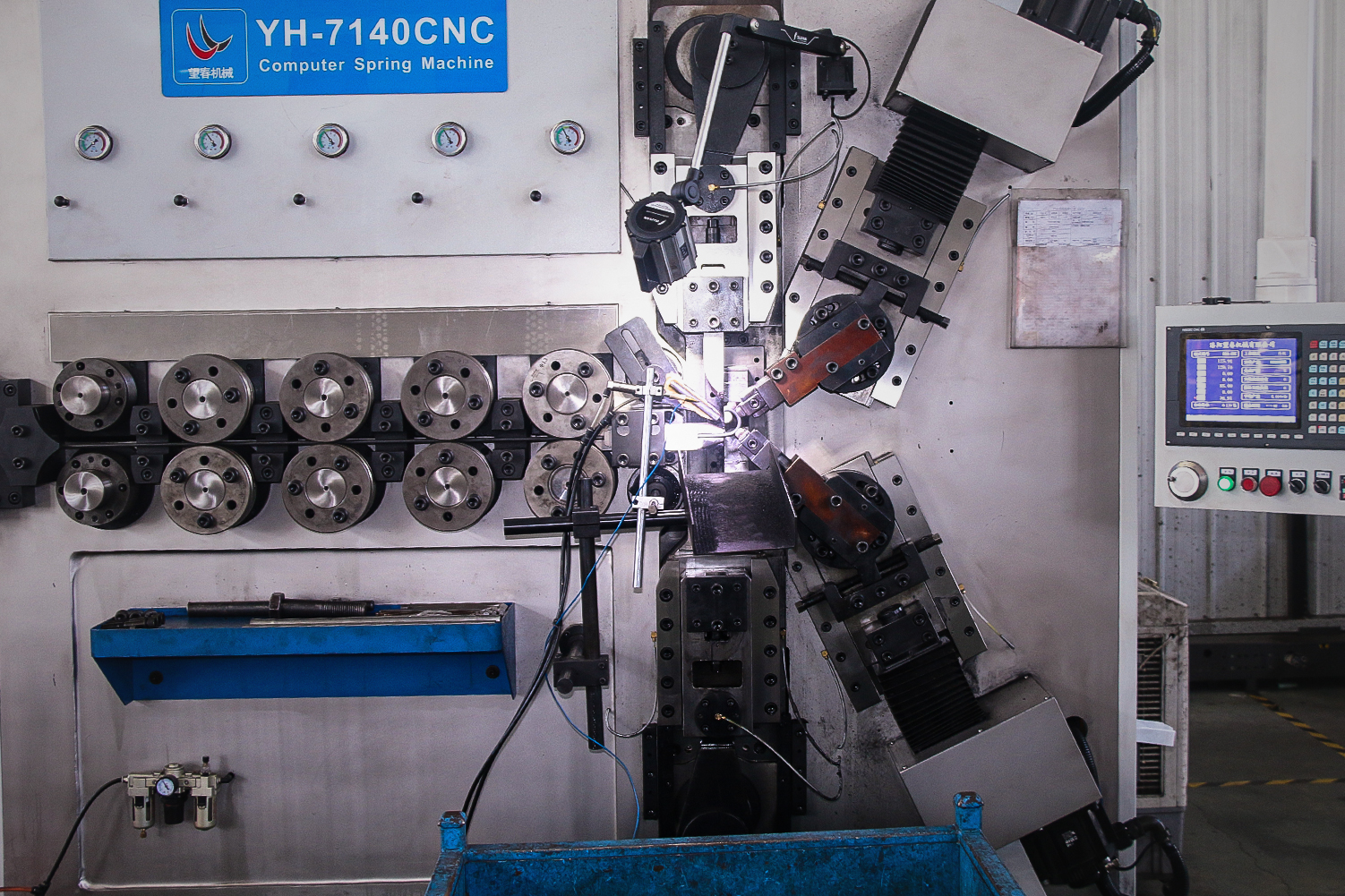
From material preparation and coiling to heat treatment, dimensional inspection, and packaging, each production stage is carefully controlled to support stable quality and dependable service performance. Coil length springs are suitable for machinery, automotive components, agricultural equipment, electrical devices, molds, and other industrial applications.
For a customized quotation, please provide your drawing, sample, spring dimensions, required load, working length, operating conditions, and expected quantity. Our team will recommend a suitable spring solution for your application.
Length, pitch and coil count: what can be held tight
A coil length spring is a helical spring ordered by its geometry rather than by force alone: the drawing fixes the coiled length and the pitch or coil count, and the load follows from the geometry. It is ordered when the installed length and the space between coils matter as much as the force. On any helical spring, three things are linked: the number of active coils, the pitch between them and the free length. Fix two and the third follows, once the end type and wire size are set. The same is true of force: if both the free length and the load at a working height are held to tight tolerances, the coil count has to be allowed to float slightly so both can be held in production. When a drawing fixes length, load and coil count all at once, we will suggest which one to relax.
Typical tolerances to agree
- Free length, or length under a stated load
- Pitch, if the gaps must be even for a guide or a sensor
- Total and active coils
- Maximum solid length, so the spring does not go solid before its lowest working height
- Squareness and parallel ends, if the spring stands on its own
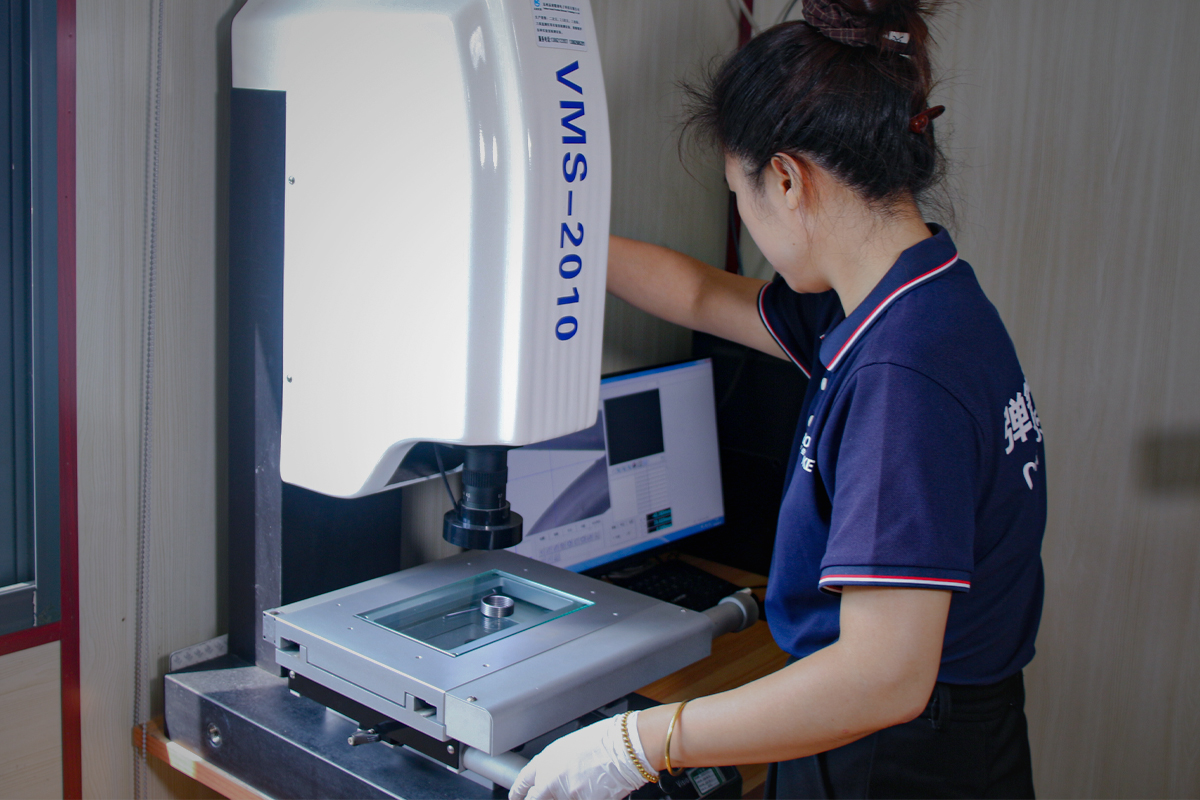
Pitch and coil diameter can be measured on a vision measuring system, which can measure individual gaps along the spring, not just the overall length. Send your drawing with the tolerances you need. If you only have a sample, we will measure it and confirm the critical sizes with you before production. For load-driven designs, see our compression springs and the spring rate guide.