











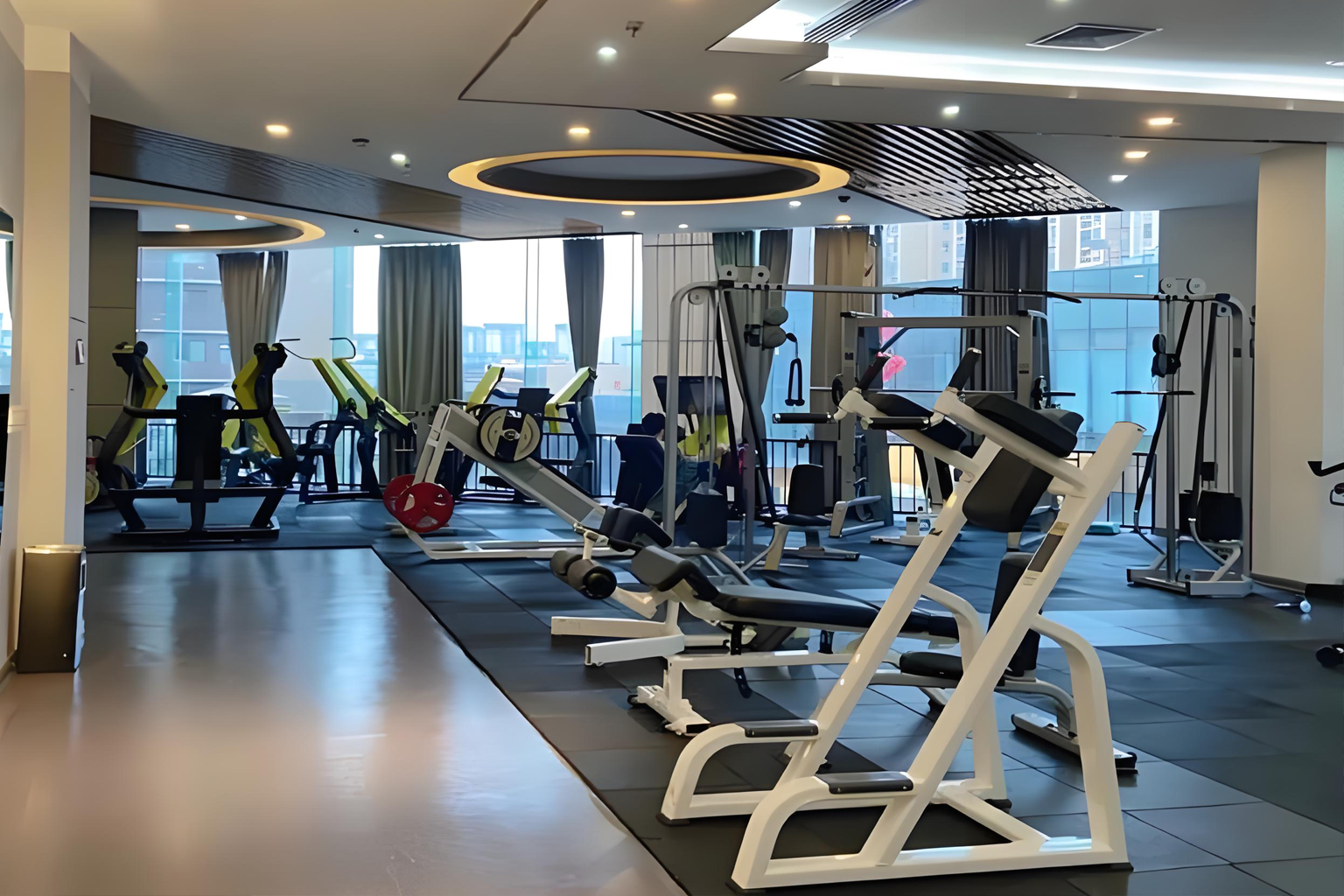
Fitness and sports equipment mostly relies on extension springs for resistance and return, torsion springs for grip tools, and small compression springs and wire forms for pins and adjusters. What sets this market apart is that the user feels and sees the spring. We have supplied extension springs for fitness resistance equipment, and we make these springs to your drawing or sample. The sections below explain how to specify them.
Key Takeaways
- Initial tension and spring rate decide how an extension spring feels; both are specified and checked, not left to chance.
- Our published extension springs include a silver polished gym equipment spring.
- Prototype samples are available so you can test the feel before production, with no fixed MOQ.
- Stainless 304 and 316, music wire and carbon spring wire are all on our material list.
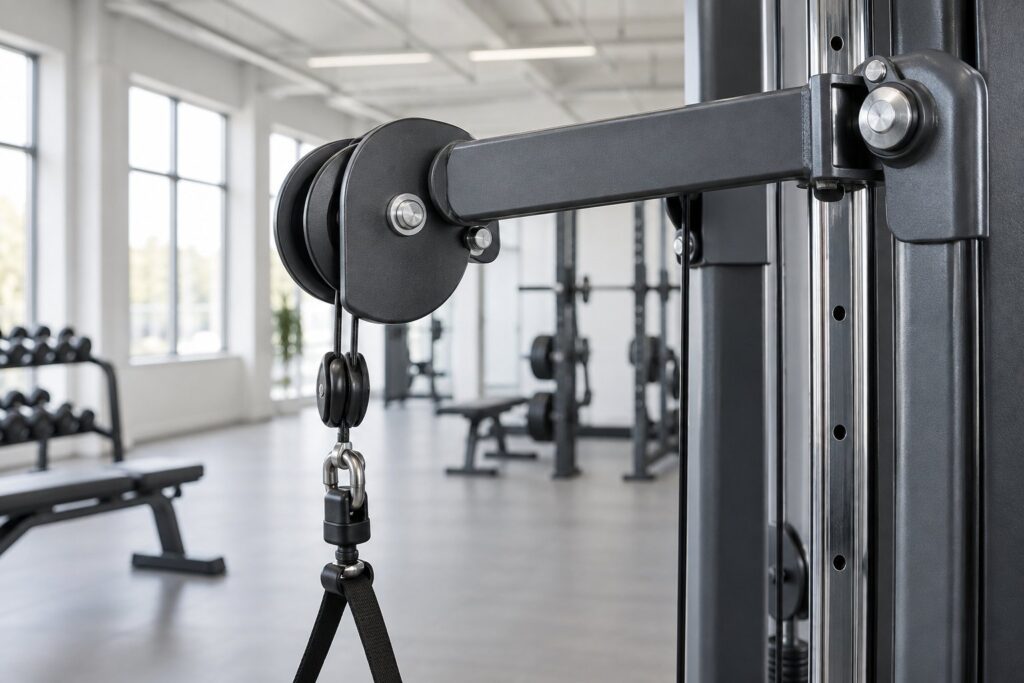
Which springs sports and fitness equipment uses and why
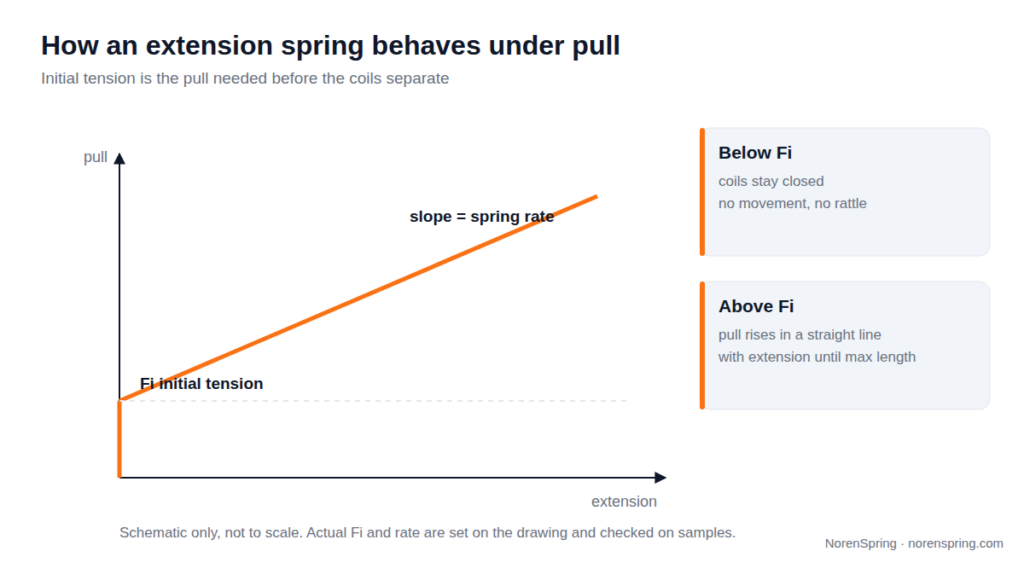
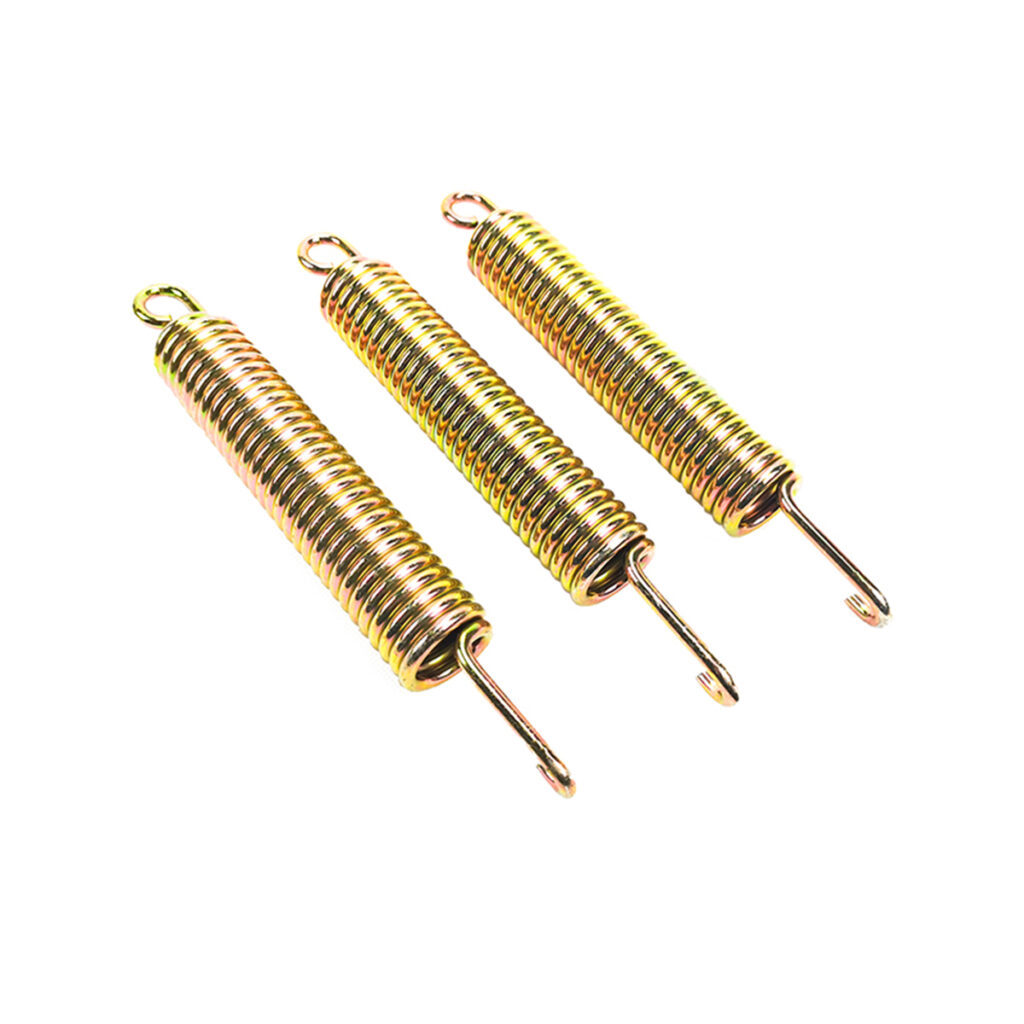
Extension springs for resistance
An extension spring is often coiled with its coils pressed together. That built-in preload is called initial tension: the spring will not stretch at all until the pull exceeds it. High initial tension gives a firm start to the movement; low initial tension feels soft. After that point, force rises with the spring rate. Specifying both values, instead of only length and wire size, is how two machines end up feeling the same.
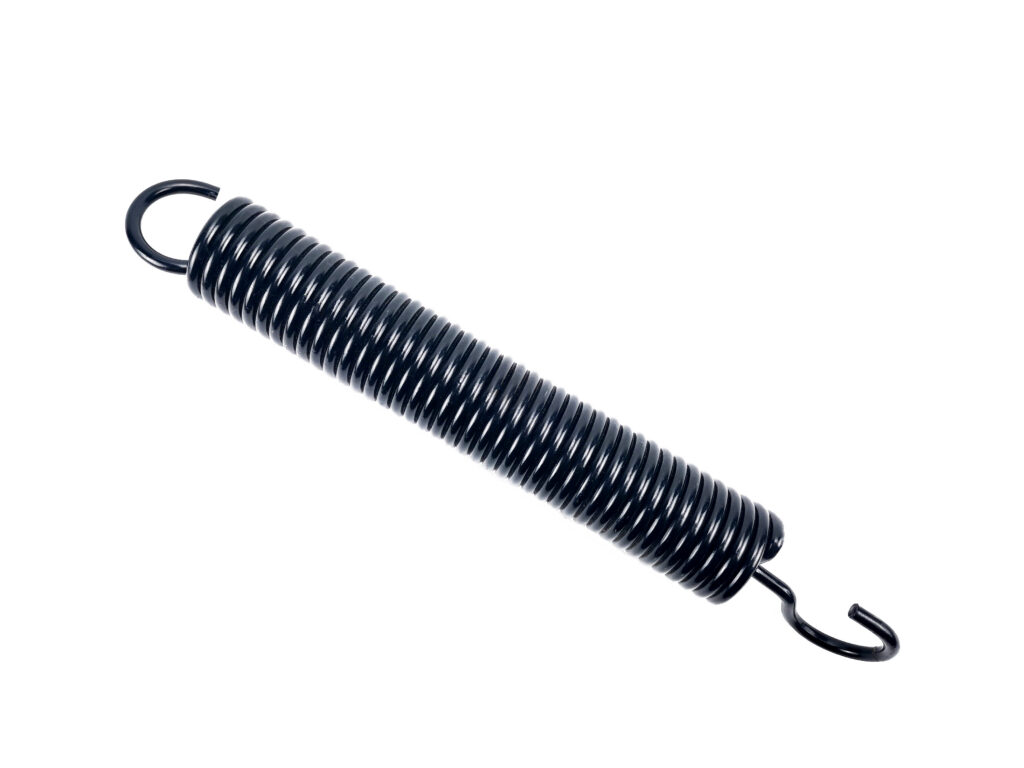
Hooks are the weak point. The bend where the hook leaves the body carries high stress, so a larger bend radius at that transition, or a threaded insert or swivel end instead of a formed hook, can suit high-cycle equipment better than a standard machine hook with a tight bend. A travel stop that prevents stretching past the maximum working length protects both the spring and the user.
Torsion springs for grip and pivot tools
Hand grippers and forearm trainers use torsion springs. The leg angle at rest, the working angle and the wind direction must match the handles, and the spring should be loaded in the direction that tightens the coils, leaving clearance for the coil diameter to shrink as it winds up.
Compression springs and wire forms for locking
Pop-pin selectors, folding frames and quick-release adjusters use small compression springs and wire forms. The concern is a positive click and reliable retention after many adjustments.
Choosing material and finish for sweat, handling and outdoor storage
| Option | Where it fits | What to weigh |
|---|---|---|
| Music wire | Small, high-stress springs in grips and pins | Strong and consistent; needs plating or coating |
| Carbon spring wire | General resistance springs | Economical; finish carries the appearance |
| Oil-tempered wire | Larger resistance springs | Good for heavier wire sizes |
| Stainless steel 304 | Parts handled with sweaty hands | Clean look without plating |
| Stainless steel 316 | Outdoor or coastal equipment | Higher corrosion resistance than 304 |
| Polished, zinc or color coating | Visible springs | Appearance is agreed on the sample before production |
A chipped coating on a visible spring looks like a defect even when the spring still works, so agree the finish on the approval sample.
What to send for an engineering review
- A drawing or sample. Without a drawing, wire diameter d, outside diameter D0 and free length L0 are enough to start.
- Force at the start and end of the stroke, and the extension at each point.
- Hook type and orientation, or a photo of the mounting points.
- Indoor or outdoor use, user contact, and the finish or color you want.
- Quantity and any records you need.
See our capabilities for the full process.
Frequently asked questions
Can we test the feel before ordering production?
Yes. Prototype and pre-production samples are available for dimensional, load and application approval.
What files can we send?
DWG, DXF, STEP, PDF, JPG or PNG. Without a drawing, wire diameter d, outside diameter D0 and free length L0 are enough to start.
How fast do we get a response?
Engineering feedback or a quotation within 24 hours. Samples typically take 7 to 15 working days and production 15 to 30 working days; the exact lead time is confirmed at quotation.
Send your drawing or sample through our contact page to start an engineering review.


 Upload a Drawing