DEFENSE SPRING SOLUTIONS

Build-to-print springs for defense-sector equipment, with records agreed up front.

Defense-related programs usually add specification, documentation and traceability requirements, which we review case by case before quoting.

Defense Spring Solutions spring application

We make springs to customer drawings and can supply inspection and material records as agreed at project setup. This page describes what we can make, not past defense programs. Program-specific requirements, such as named military specifications, special record formats or sourcing rules, are reviewed individually before we quote. If we cannot support a requirement, we say so at that stage.

Key Takeaways

  • Springs are built to your drawing or sample, from 0.1 mm to 80 mm wire.
  • Available records: inspection reports, material certificates, dimensional records and traceability.
  • Certifications held: IATF 16949, ISO 9001, ISO 13485, ISO 14001 and ISO 45001.
  • Program approvals and named specifications beyond these certifications are reviewed case by case before quotation.

Which springs defense equipment uses and why

Most springs in defense-sector equipment do ordinary mechanical jobs under harder conditions: shock, vibration, wide temperature ranges and long storage.

Compression springs load latches, return plungers and cushion mechanisms. Under shock, a spring that goes solid or is stressed close to its limit can take a permanent set, so working stress is usually kept with margin. See our compression springs.

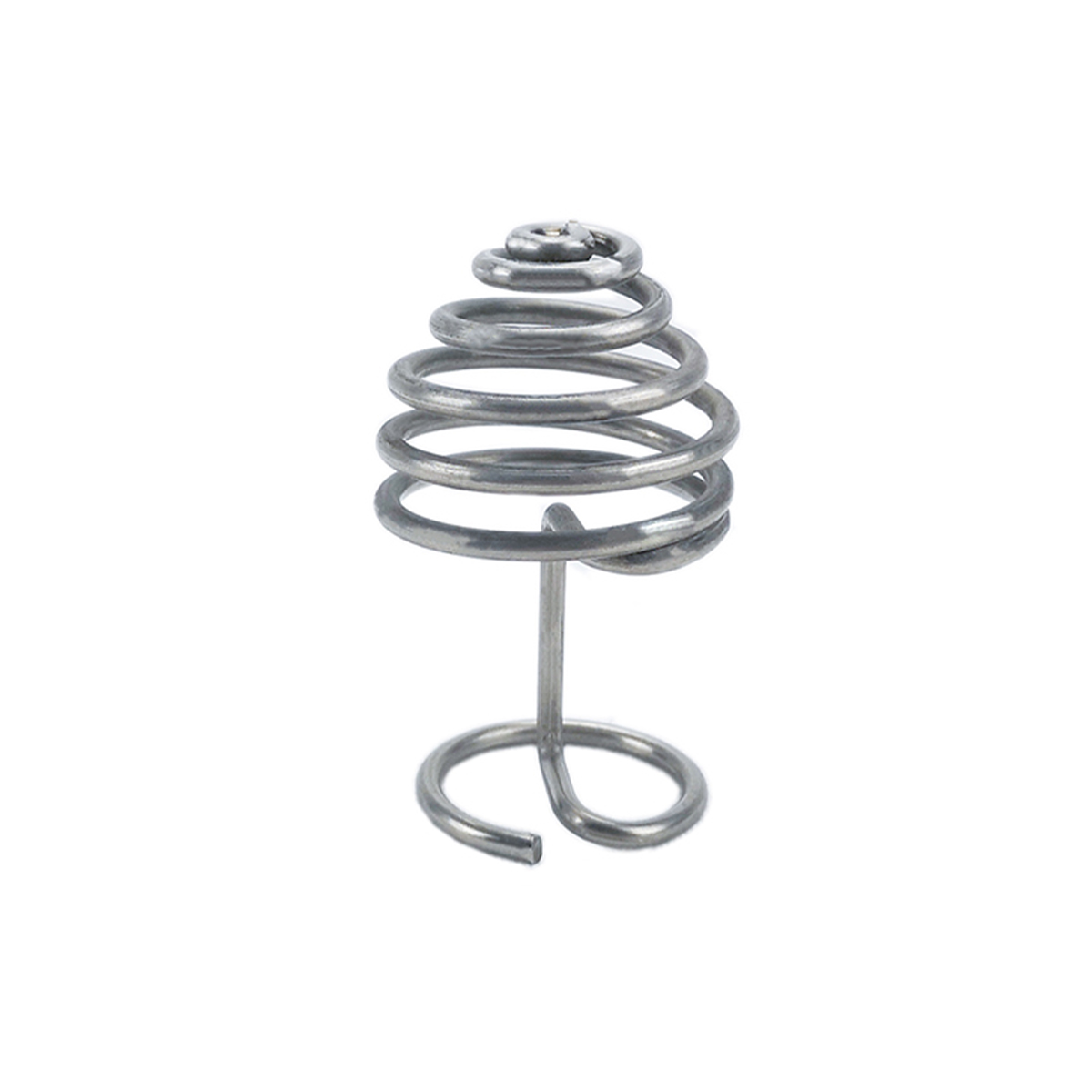
Torsion springs and wire forms return hinged covers and levers and retain pins and clips. See torsion springs.

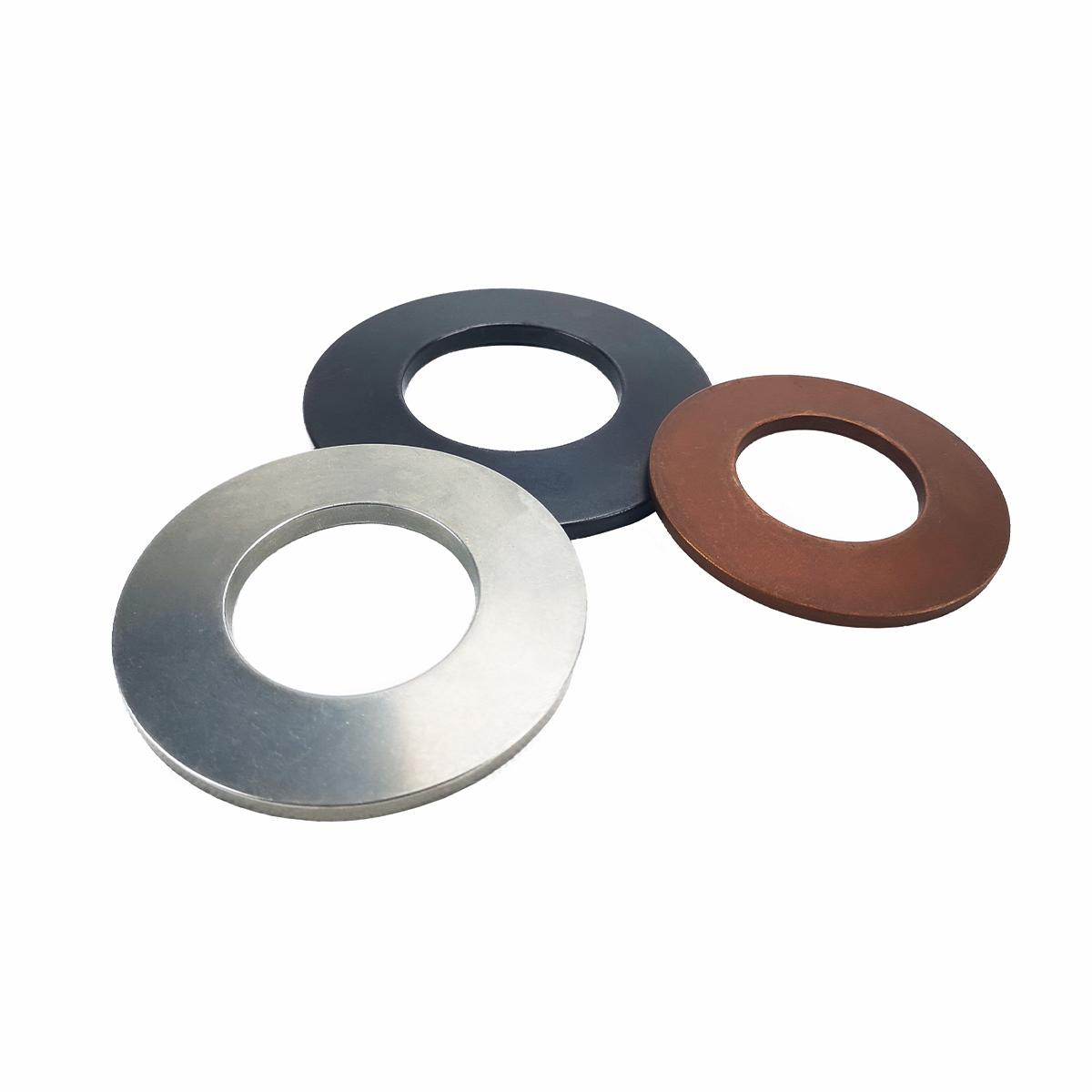
Disc springs carry high loads in short spaces and help hold preload in bolted joints when joint members settle or change length with temperature. See disc springs.

Replacement springs are often needed when the original supplier is no longer available. We can work from the original drawing or a physical sample.
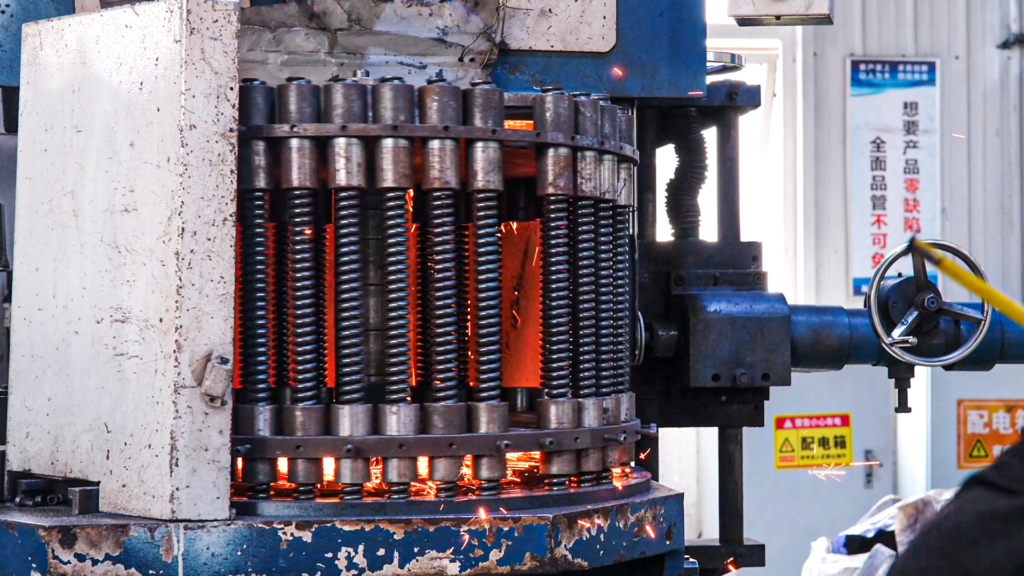
A technician operating a spring testing machine in the in-house laboratory.

Choosing material and finish for harsh service

Material Where it fits Consider
Silicon-chrome or alloy spring steel High stress and shock loading Coating needed for corrosion protection
Oil-tempered wire Larger, heavy-duty springs Coating needed outside dry areas
Stainless 304 / 316 Corrosion without relying on a coating Lower strength than alloy steel at the same size
Nickel alloy spring wire High temperature or severe corrosion Higher material cost
Carbon spring wire with zinc or black coating General mechanisms in protected locations Coating thickness affects fit

If the drawing calls out a material to a named specification, we confirm at review whether certified material to that specification can be sourced. If it cannot, we can propose an alternative, but the decision to accept it stays with your engineering authority.

What to send for an engineering review

  • Geometry: drawing with revision, or a sample.
  • Load and movement: force or torque at the working positions and travel.
  • Environment: temperature range, shock, vibration and corrosion exposure.
  • Specifications: every standard, specification or finish called out on the drawing.
  • Records: the documents you need with each shipment and any first-article requirement.
  • Quantity: batch size and expected repeat orders.
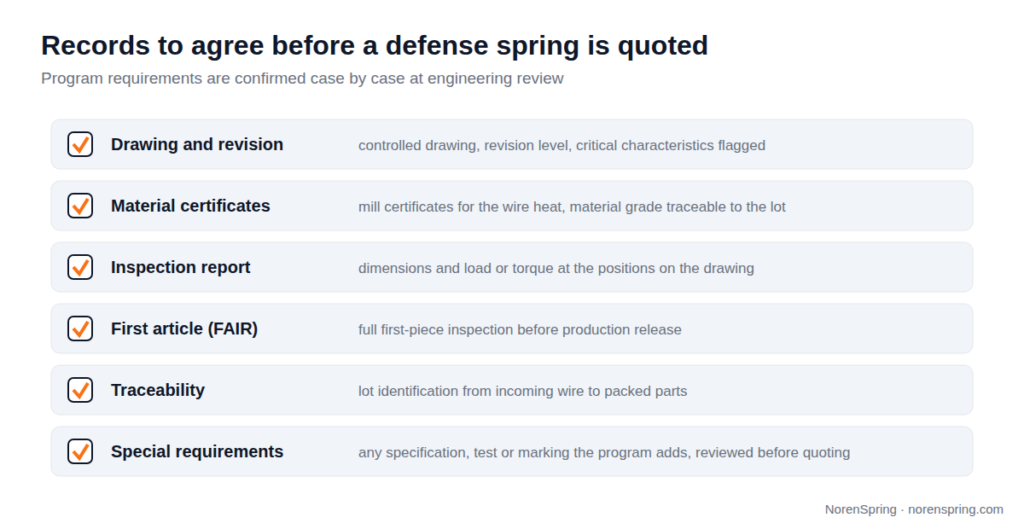
Checklist of six items: drawing and revision, material certificates, inspection report, first article inspection, traceability, and special program requirements, each with a short description.

How program requirements are reviewed

Each item on your requirements list is confirmed or declined before quotation. PPAP and FAIR packages are available for automotive and aerospace programs; whether a similar package fits your program is agreed at review.

If your drawings or specifications are subject to export-control rules, confirm that you are permitted to share them with a manufacturer in China before you send them.
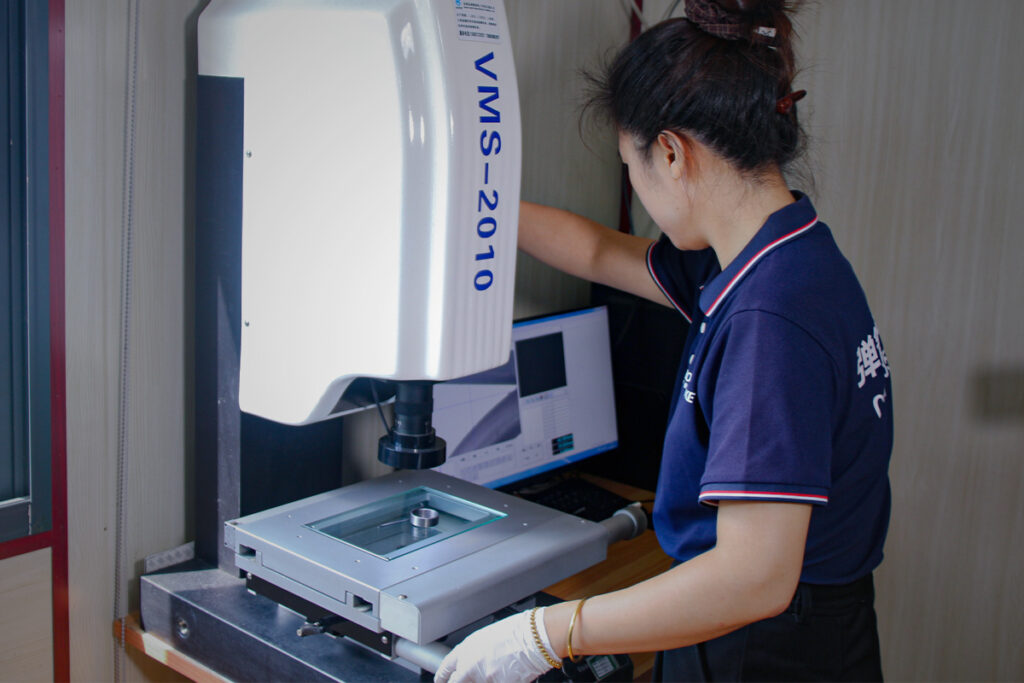
An operator measuring a part on a video measuring system.

Our process is described on the capabilities page and about page, and first-article documentation is covered on the aerospace page.

Frequently asked questions

Which certifications do you hold?

IATF 16949, ISO 9001, ISO 13485, ISO 14001 and ISO 45001. Any further approval your program requires is reviewed before quotation, and we tell you plainly if we cannot meet it.

Can you make a replacement spring without the original drawing?

Yes. We can work from a physical sample and confirm manufacturability before quoting. Any change to material or geometry is put to you for approval.

What records can you supply?

Inspection reports, material certificates, dimensional records and traceability. The record set for your part is fixed before production starts.

Have a build-to-print spring to review? Send the drawing and your full requirements list so each item can be checked before we quote.

INDUSTRY REQUIREMENTS

The requirements package is reviewed before any price.

Named specifications, record formats, material sourcing rules and inspection requirements are checked at review, and we quote only what we can support.

Program-specific specifications

Drawings may call out program or customer specifications. Each one is checked at engineering review and confirmed or declined before quotation.

Traceability and documentation

Inspection reports, material certificates, dimensional records and lot traceability are defined before production and kept with each batch.

Shock, vibration and harsh service

Shock loads, vibration, temperature extremes and corrosion exposure guide the material, finish and working stress.

TYPICAL APPLICATIONS

QUALITY EVIDENCE

Inspection Reports

Dimensions, load and agreed critical characteristics are recorded against the control plan for each batch.

Material Certificates & Traceability

Material certificates and lot traceability are linked to each shipment as agreed at project setup, so parts can be traced back to their material batch.

First-Article Documentation

FAIR packages are offered for aerospace programs; whether a similar first-article package fits your program is confirmed at review.

FROM REQUIREMENT TO RELEASE

01

Application Review

We review the drawing, loads, environment and every called-out specification or record requirement, and confirm what we can and cannot support.

02

Spring, Material & Prototype

Material, finish and geometry are fixed to the drawing, and any proposed alternative is submitted for your approval before samples are made.

03

Controlled Production

Approved tooling, process settings and in-process checks run against the control plan agreed for the part.

04

Validation & Records

Inspection against the agreed control plan is completed and the agreed record package is assembled before release.

Bring the application. We will define the spring program.

Share your drawing, load, environment, volume and required records.

COMMON QUESTIONS

Answers Before You Ask

Clear answers to common purchasing questions.

Still have questions?
Can you manufacture from my drawing without a standard part number?

Yes. Most of our projects start from a customer drawing or application sketch. We review the geometry, material and performance needs, then confirm manufacturability before quoting.

What is your minimum order quantity?

We support both small-batch prototypes and high-volume production. There is no fixed MOQ — quantities are evaluated based on the spring type, tooling and material requirements.

How do you handle springs for high-temperature or corrosive environments?

We select materials (such as Inconel, stainless steel or special alloys) and surface treatments matched to the operating environment. Our engineers can recommend options based on temperature range, media exposure and cycle life.

What documentation can you provide with production orders?

We supply inspection reports, material certificates, dimensional records and traceability documentation as agreed during project setup. PPAP and FAIR packages are available for automotive and aerospace programs.

What is the expected lead time?

Lead time depends on the spring type, material, tooling, quantity and approval requirements. We confirm the production and sample schedule during quotation.

How are payment and delivery terms confirmed?

Commercial terms, delivery address and documentation requirements are confirmed with the quotation before production starts.

What support is available after delivery?

After-delivery questions can be routed through the project contact for drawing questions, quality documents, repeat orders and application feedback.

Can you provide samples before mass production?

Yes. Prototype and pre-production samples can be arranged for dimensional, load and application approval before the full production order proceeds.