In this article
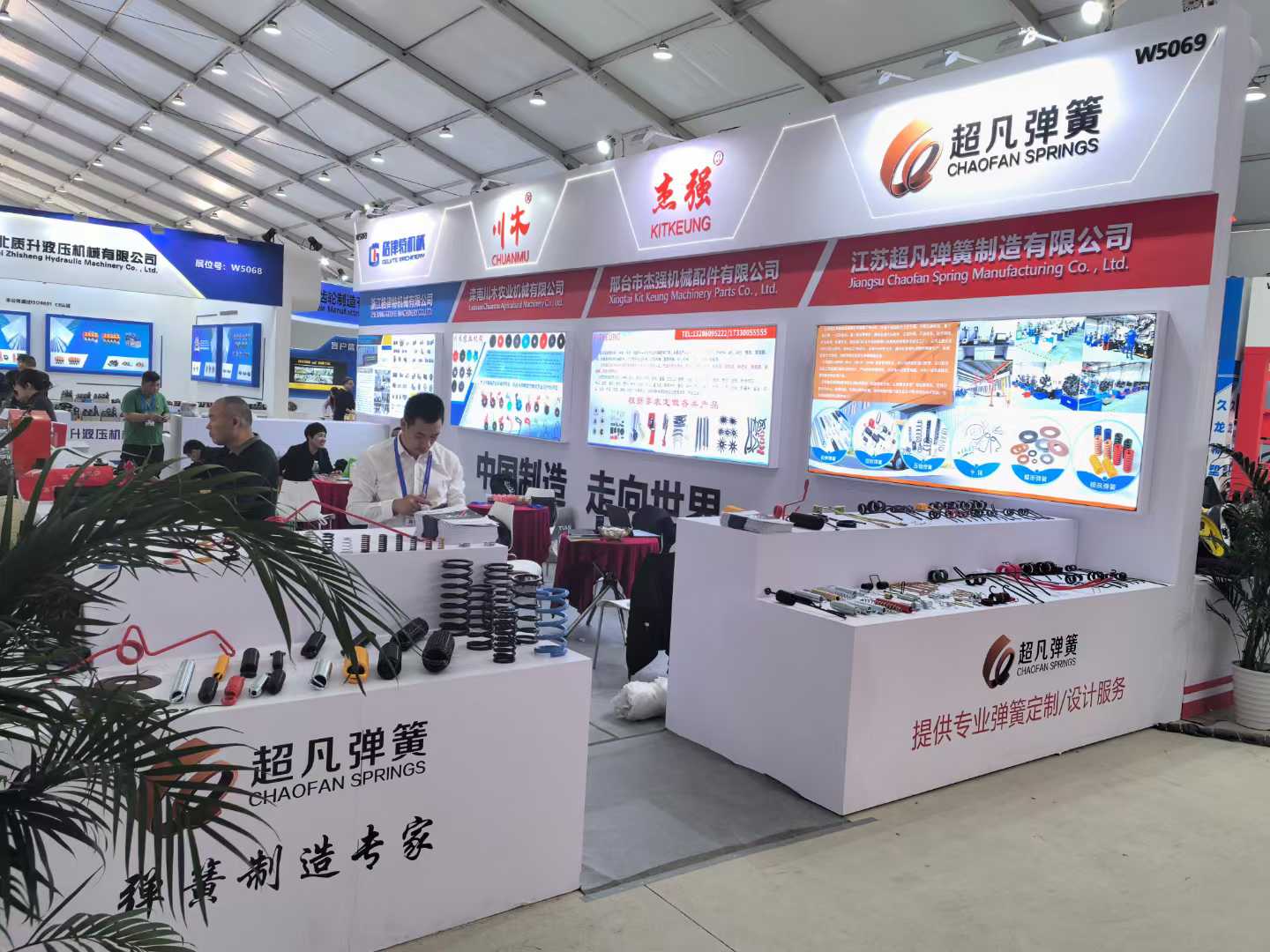
From November 4 to 7, 2025, NorenSpring (Xuzhou Apex Spring Manufacturing Co., Ltd.) joined automotive brands, parts specialists, distributors and performance professionals at SEMA Show 2025 in Las Vegas. Our conversations focused on the springs inside aftermarket and performance parts, and on the conditions that make those springs hard to get right: tight installation space, constant cycling, changing loads, fatigue and corrosion.
Key takeaways
- SEMA Show 2025 ran November 4–7, 2025 at the Las Vegas Convention Center. SEMA reports more than 153,000 attendees from 140 countries and regions and 2,300 exhibiting brands.
- We discussed compression springs, tension (extension) springs, torsion springs and custom wire forms for automotive components, aftermarket parts, performance products and workshop equipment.
- The recurring requirements were limited space, repeated cycling, changing loads, fatigue resistance and surface protection.
- Buyers also stressed flexible customisation, stable production quality and dependable delivery.
About SEMA Show 2025
The SEMA Show is the annual trade event of the Specialty Equipment Market Association, the trade body for the automotive specialty aftermarket in the United States. The 2025 edition filled the Las Vegas Convention Center from November 4 to 7. According to SEMA’s post-show release, it drew more than 153,000 attendees from 140 countries and regions and 2,300 exhibiting brands, including 500 first-time exhibitors (SEMA, 2025). For a spring manufacturer, it’s one of the few places where performance-parts designers, restyling specialists and distributors are all in the same halls.
Five conditions that shape an aftermarket spring
A spring is a small part, but its accuracy and reliability directly affect how the complete assembly performs. The discussions in Las Vegas kept returning to five conditions. Each one changes what a buyer should put on the drawing.
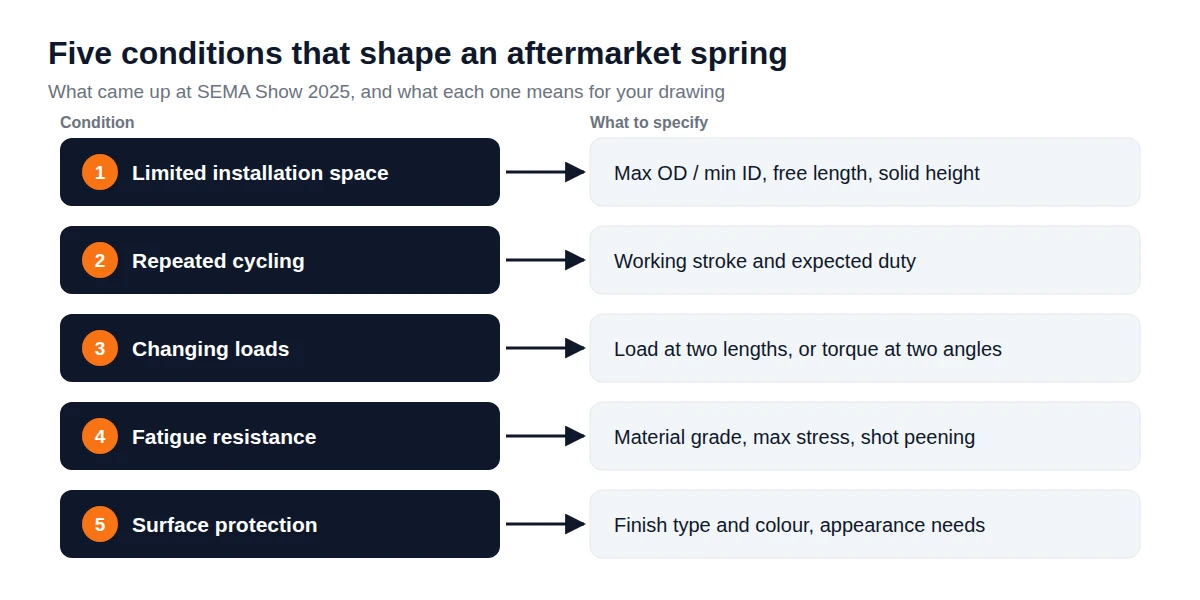
| Condition | Why it matters | What to specify |
|---|---|---|
| Limited installation space | Performance parts often replace a stock part in the same envelope | Maximum OD or minimum ID, solid height, free length |
| Repeated cycling | Suspension, pedal and linkage springs work every time the vehicle moves | Working stroke and the expected duty |
| Changing loads | Load varies with road input, driver input or adjustment | Load at two working lengths or torque at two angles |
| Fatigue resistance | Cycling stress, not peak load, usually ends a spring’s life | Material grade, shot peening if required, stress at maximum deflection |
| Surface protection | Under-body parts see water, road salt and heat | Finish type, colour and any appearance requirement |
Spring types we discussed
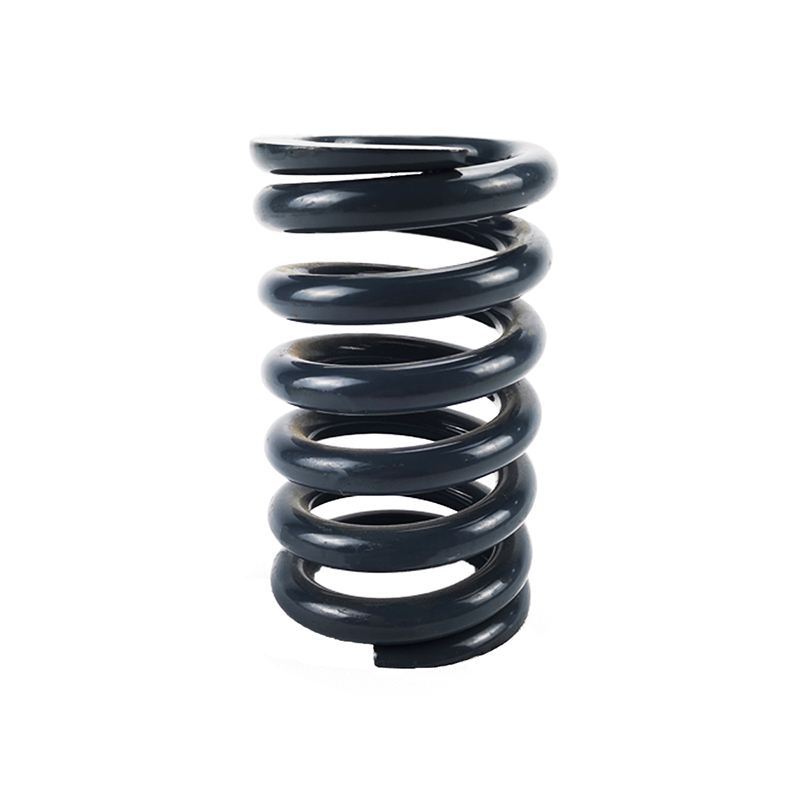
Compression springs
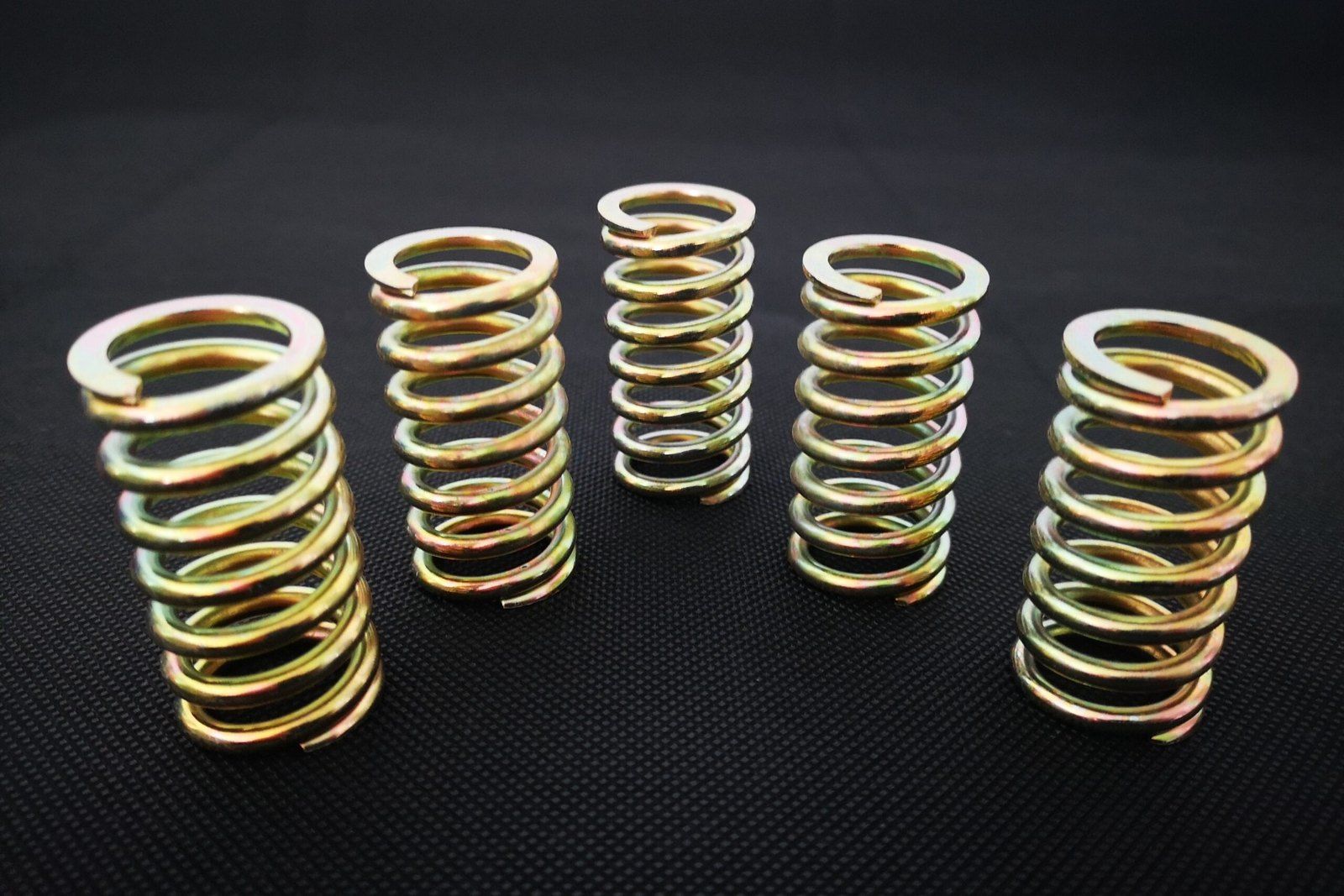
Typical applications of compression springs include coil-overs, valve trains and bump stops. The key numbers are the load at installed height and at full stroke, with the solid height safely below the shortest working length.
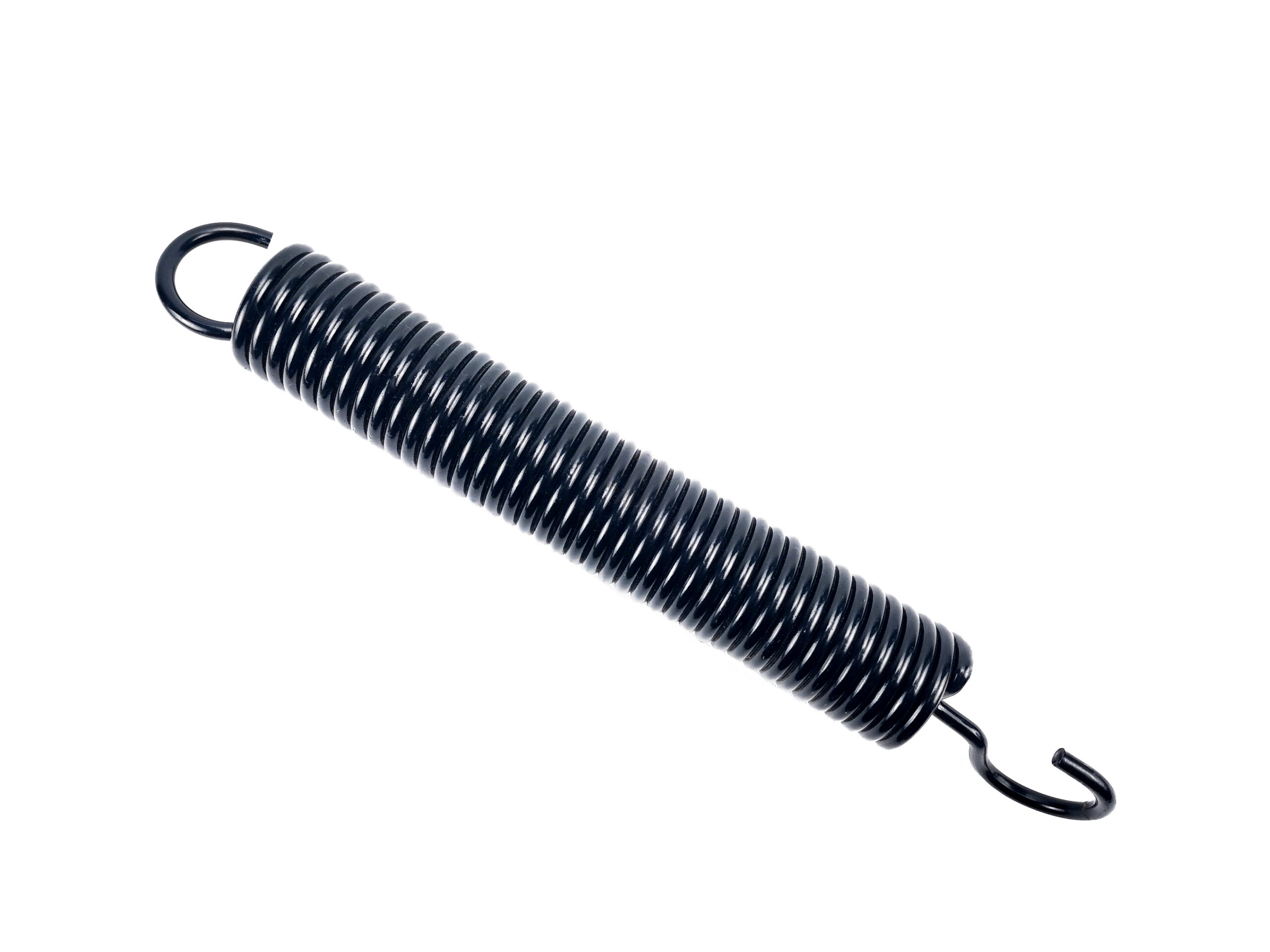
Tension (extension) springs
Extension springs pull rather than push; typical uses include return springs on pedals, linkages and exhaust hangers. Hook shape and orientation, initial tension and the extended length at maximum load decide whether an extension spring fits and lasts.
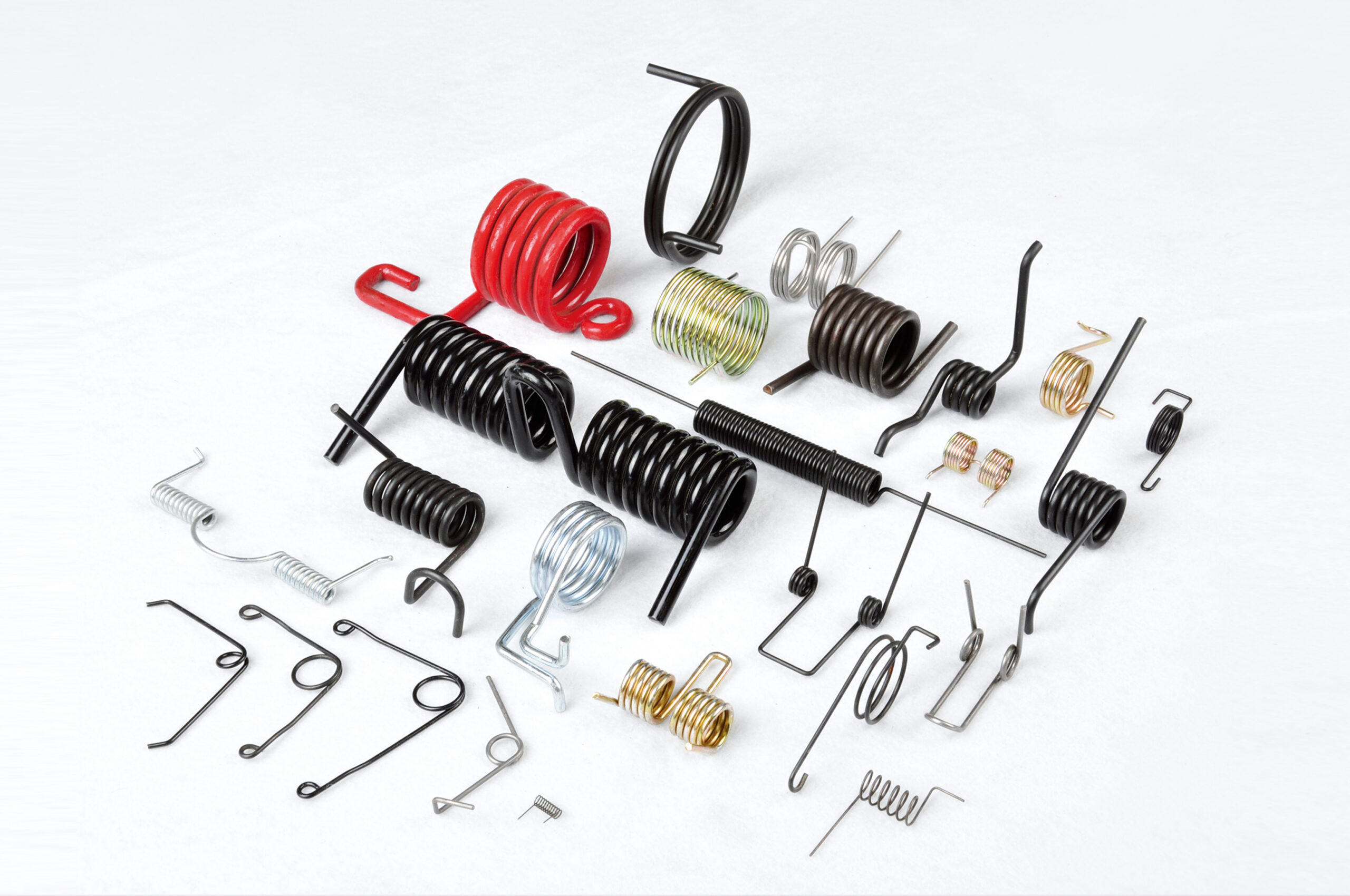
Torsion springs and wire forms
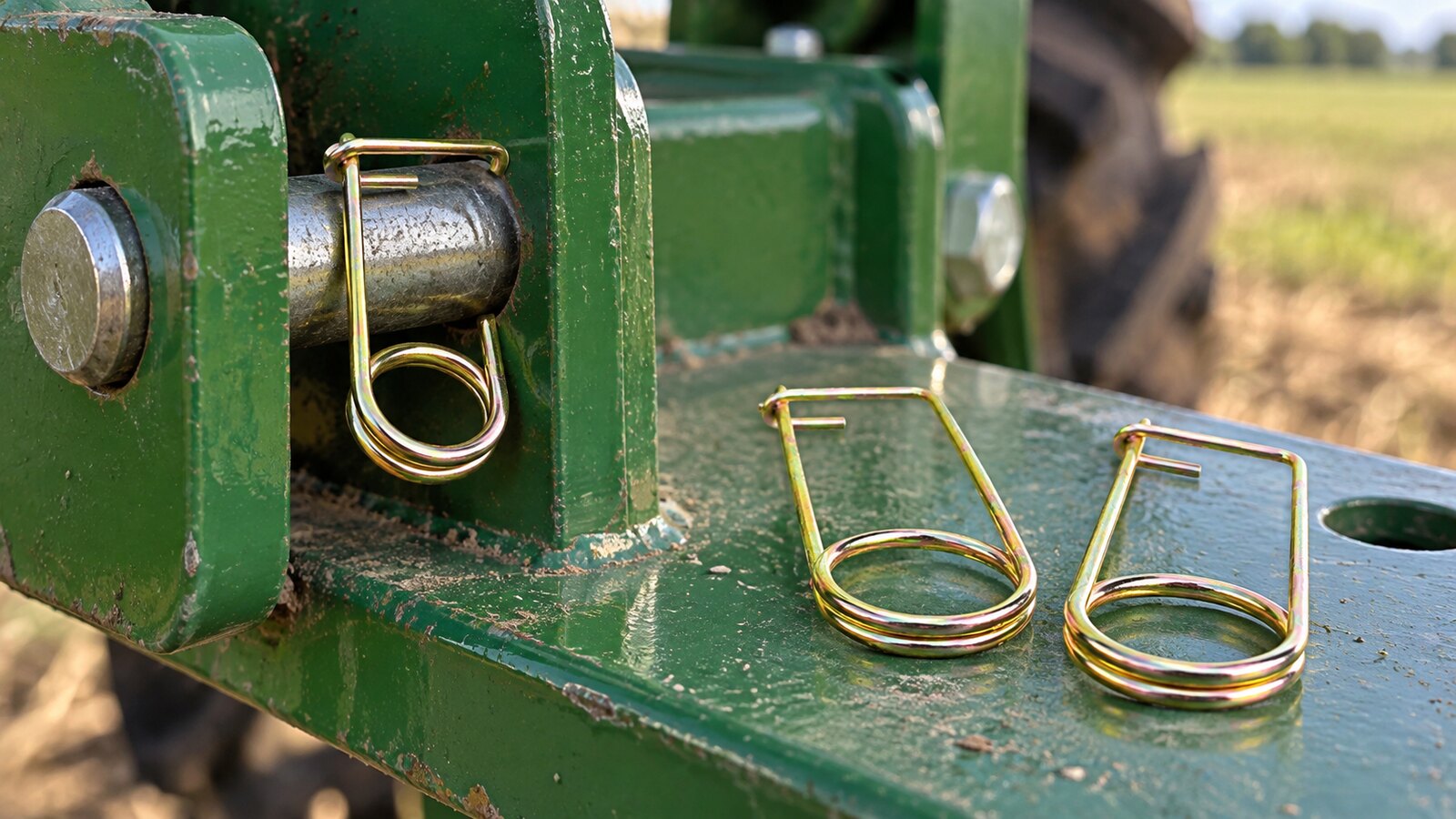
Typical uses of torsion springs include hinges, latches, throttle and pedal returns. They’re specified by leg angles and torque at the working angle. Clips, retainers and brackets are custom wire forms made to a drawing.
What buyers asked for beyond the spring
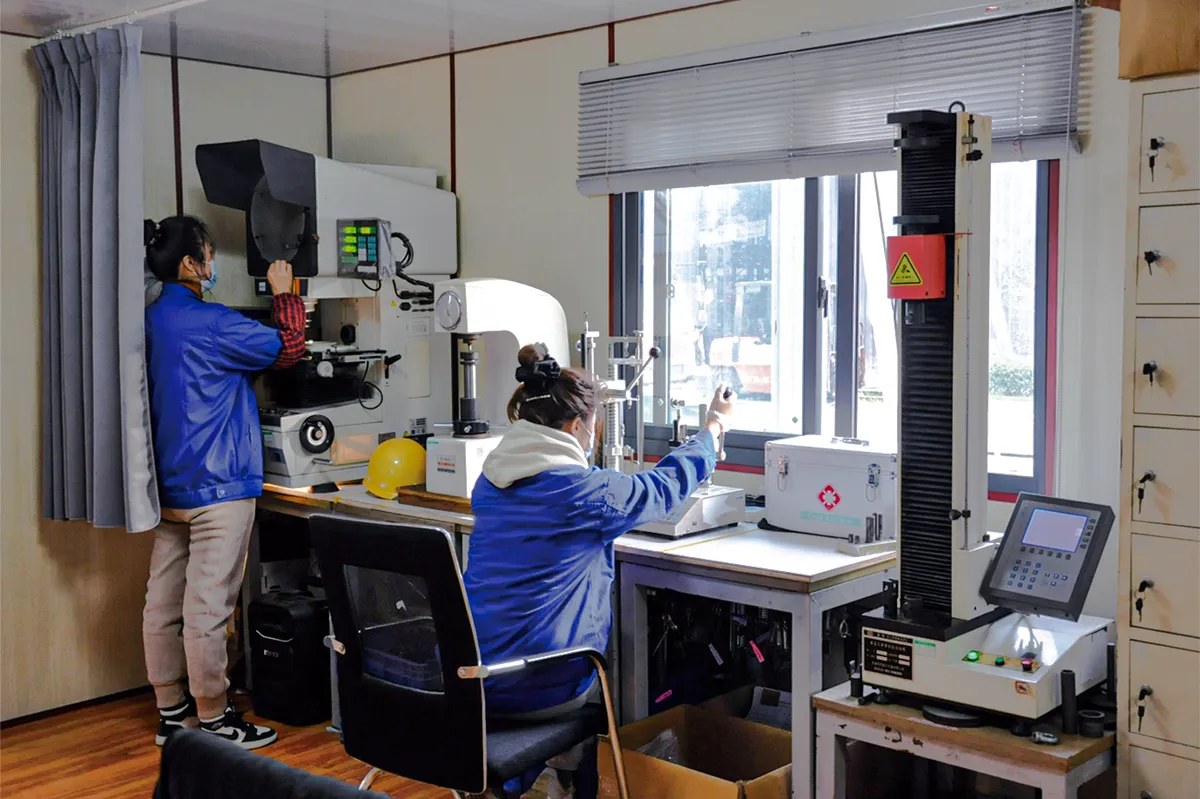
Specifications were only part of the conversation. Visitors also stressed flexible customisation, stable production quality and dependable delivery. On our side, the answers are practical: no fixed minimum order, prototype samples for fit and load approval, inspection records and material certificates agreed at project setup, and engineering feedback or a quote within 24 hours. Our IATF 16949 certification covers automotive quality management; see our automotive springs page for more.
Published by the NorenSpring team in Xuzhou, China. More about NorenSpring.
We’d like to thank everyone who met with us in Las Vegas, exchanged ideas and explored cooperation. If you’re working on an aftermarket or performance part, send us the drawing or a sample and we’ll review it with you.